Worth remembering
- Challengers are volunteers from the audience. If you want a turn, sit close to the ring, keep your hands free and raise a hand as soon as the host asks.
- Invitations go to people who already look willing, so eye contact and an early hand do most of the work. Sitting near the clay helps you be seen.
- A sumo dohyō measures 14.93 feet (4.55 m) across, so the circle you step into is smaller than it looks from the stands.[1]
- A bout lasts 20-30 seconds, which is why the challenge round feels so quick: a bow, a charge and it is done.[2]
- You can decline with a smile and a wave. Watching from your seat is a fine way to spend the round, and nobody will pressure you.
- Top choice Sumo Show with Hot Pot from US$102 Rated4.79 from 8,004 reviews[3]Duration2 hours[3]CancellationCancel up to 24 hours in advance[3]AccessWheelchair accessible[3] Check availability
- Family Sumo Workshop from US$62 Rated4.90 from 430 reviews[4]Duration2 hours[4]CancellationCancel up to 24 hours in advance[4]AccessWheelchair accessible[4] See this tour
- Ginza Sumo Show from US$61 Rated4.57 from 1,459 reviews[5]Duration1.5 hours[5]CancellationCancel up to 24 hours in advance[5]AccessWheelchair accessible[5] See this tour
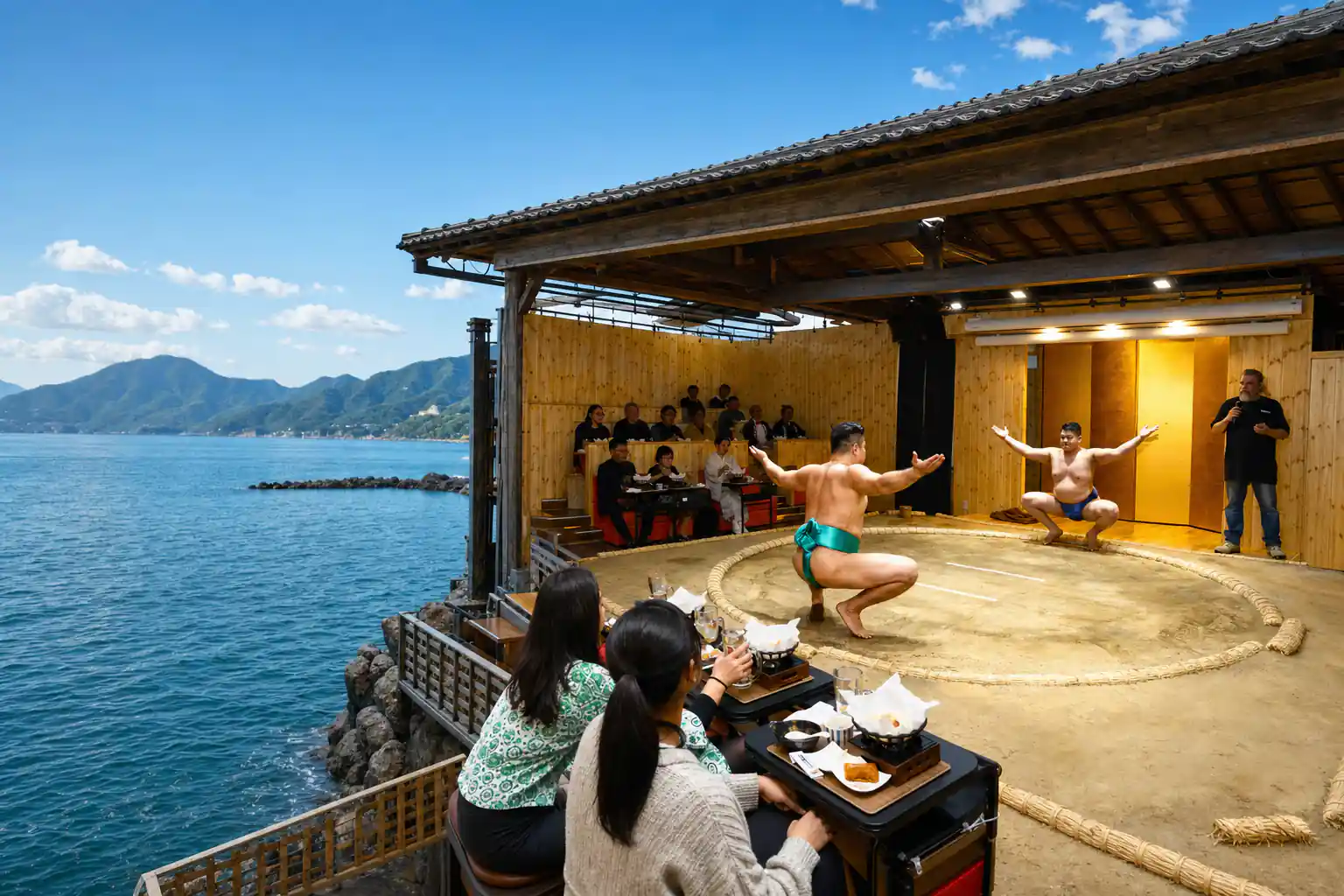
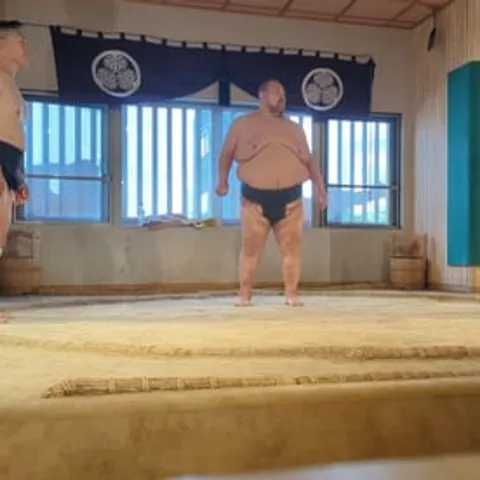
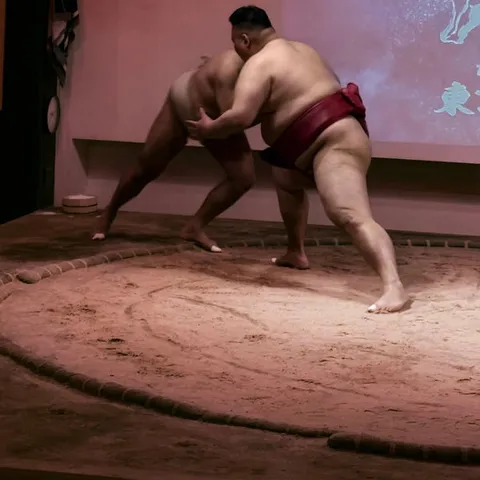
The bouts last 20-30 seconds and there is a ceremony before each bout.
Is the Ring Challenge Worth Booking?
Read before booking
On the night
How Guests Get Picked for the Ring Challenge
The invitation is the hinge of the evening. When the host asks for challengers, the wrestlers look at the room and pick people who already look willing: hands up, eye contact, a grin. Sit in the front rows or on an aisle where you can be seen, keep your hands free and your bag under your chair, and raise a hand as soon as the call goes out. Waiting quietly to be chosen rarely works. If you want a turn, act like it from the moment you sit down, and if you are with a friend, agree in advance who is going up so you are not both hesitating.
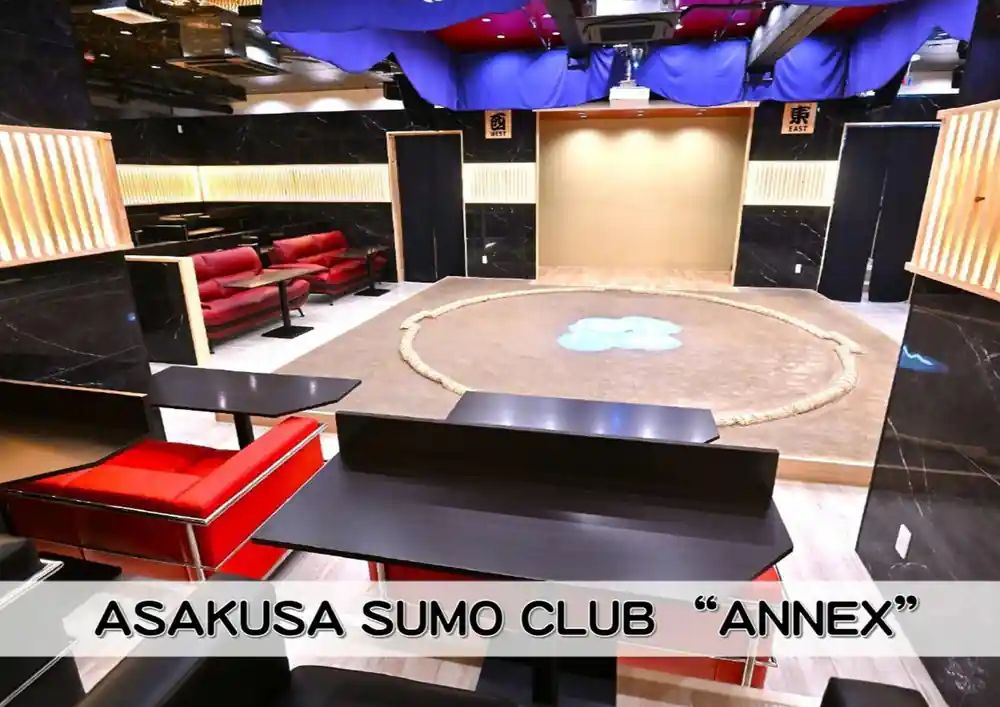
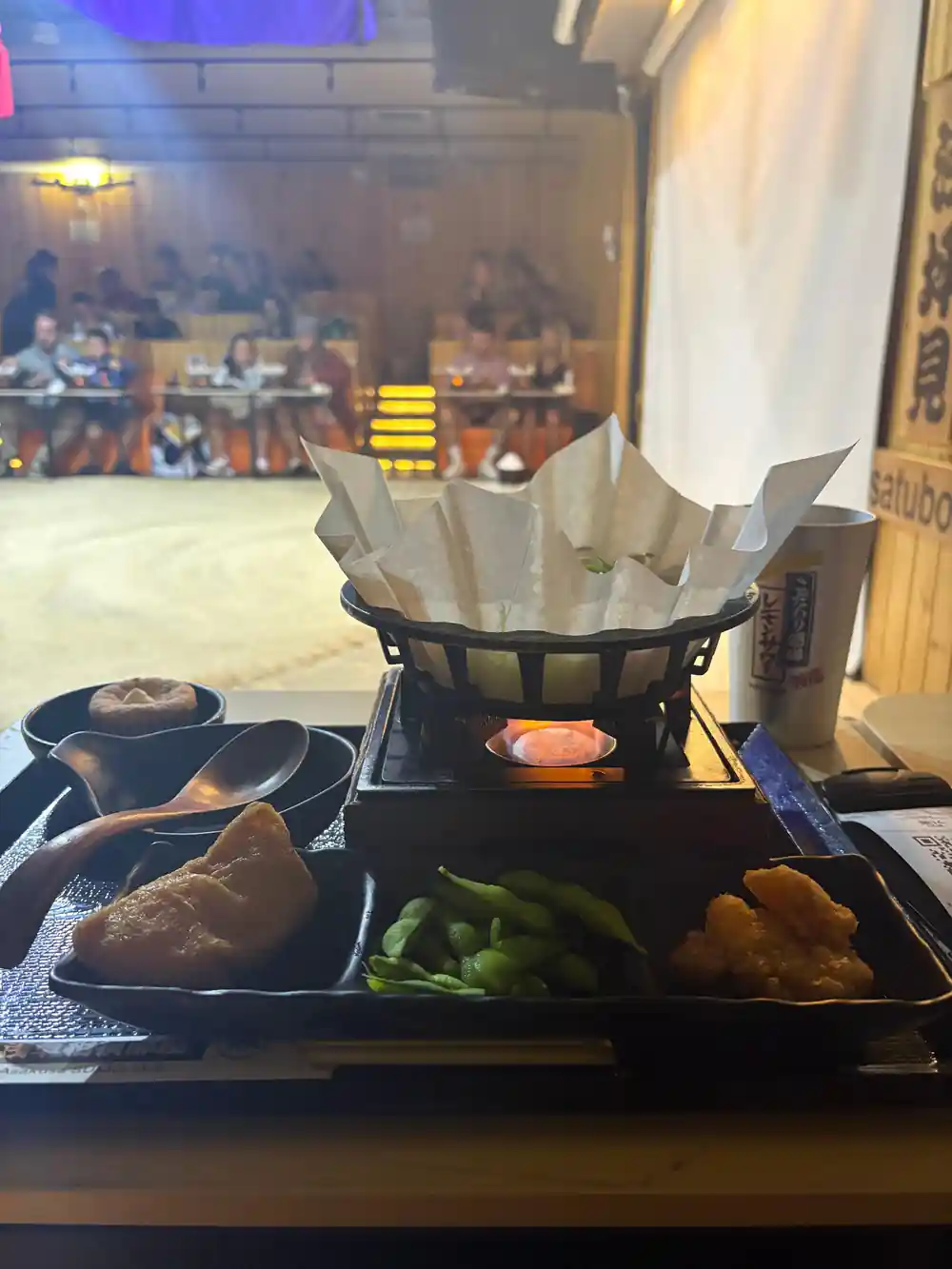
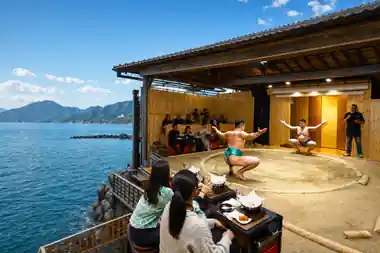
Every show runs its own version of the challenge, but the ring itself does not change. A sumo dohyō is a circle 14.93 feet (4.55 m) across, which looks generous from a seat and feels much tighter once you are standing on it.[1] The show booked from this site, Tokyo: Sumo Entertainment Show with Chicken Hot Pot & Geisha, lasts 2 hours, lists a small group available and shows start times when you check availability, so read the listing before you plan the rest of your evening.[3] If you would rather watch, keep your hands down and enjoy the view; another guest will happily take the slot.
How Many Guests Step Into the Ring
There is no fixed quota of challengers, so the honest answer is that it depends on the room and the host. A two hour slot has to fit the bouts, the meal and the entertainment, and the pace stays brisk. That is why sitting close and being ready early matters more than anything else. On the show booked from this site, the evening also takes in a chicken hot pot and a geisha performance, and a geisha's role is to make guests feel at ease during meals and banquets through conversation, drinking games and dance performances.[3][6] The listing notes that a small group is available.[3]
For scale, a real tournament is a different beast. The Ryogoku Kokugikan sumo arena in Sumida City, Tokyo, has a spectator capacity of up to 10,000.[7] Six Grand Sumo Tournaments run each year, in Tokyo in January, May and September, Osaka in March, Nagoya in July and Fukuoka in November.[8] If your dates line up with one of those, a tournament day is the other half of the sumo story. If they do not, a challenge round at a small show is where you get closest to the clay.
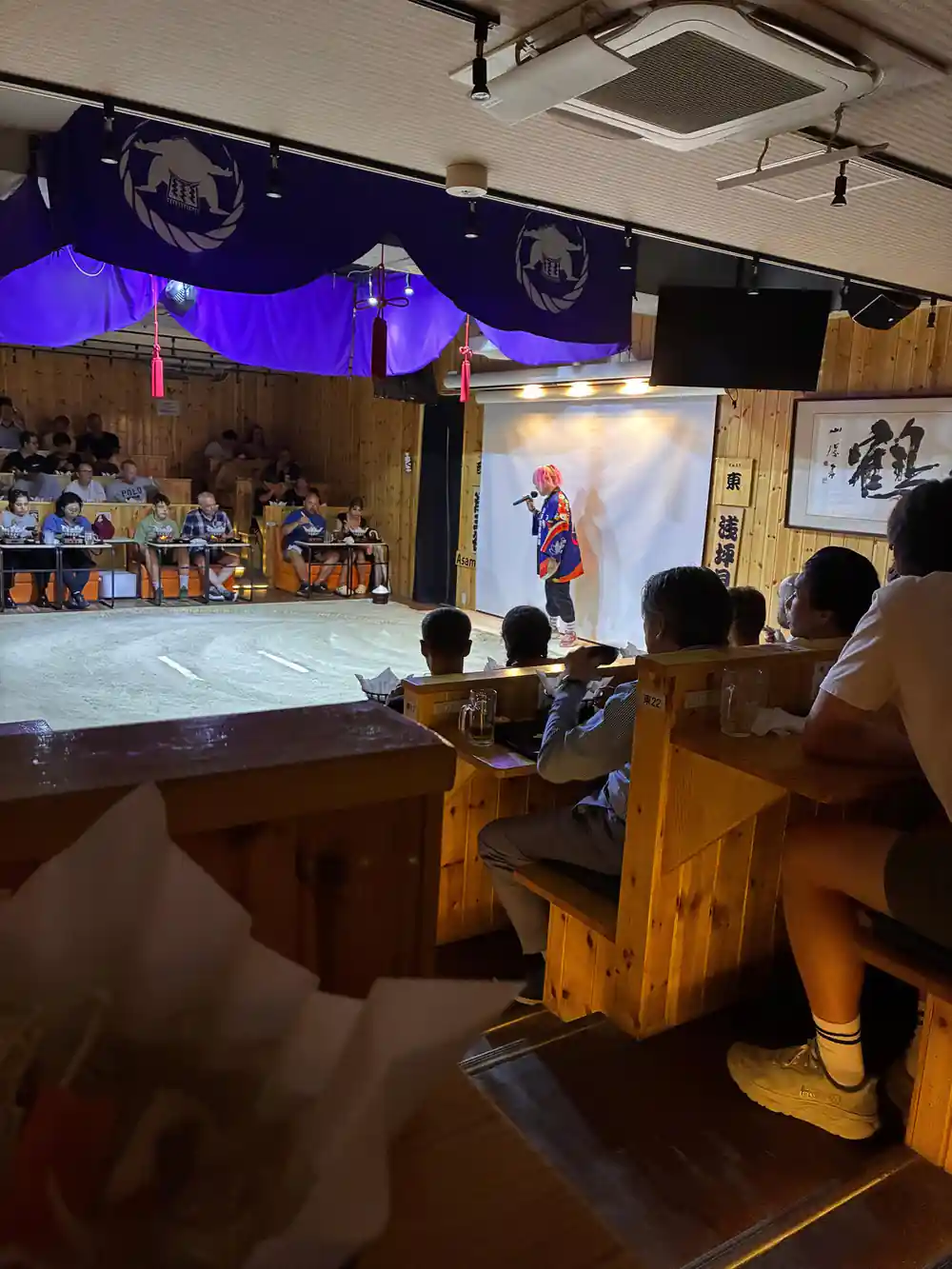
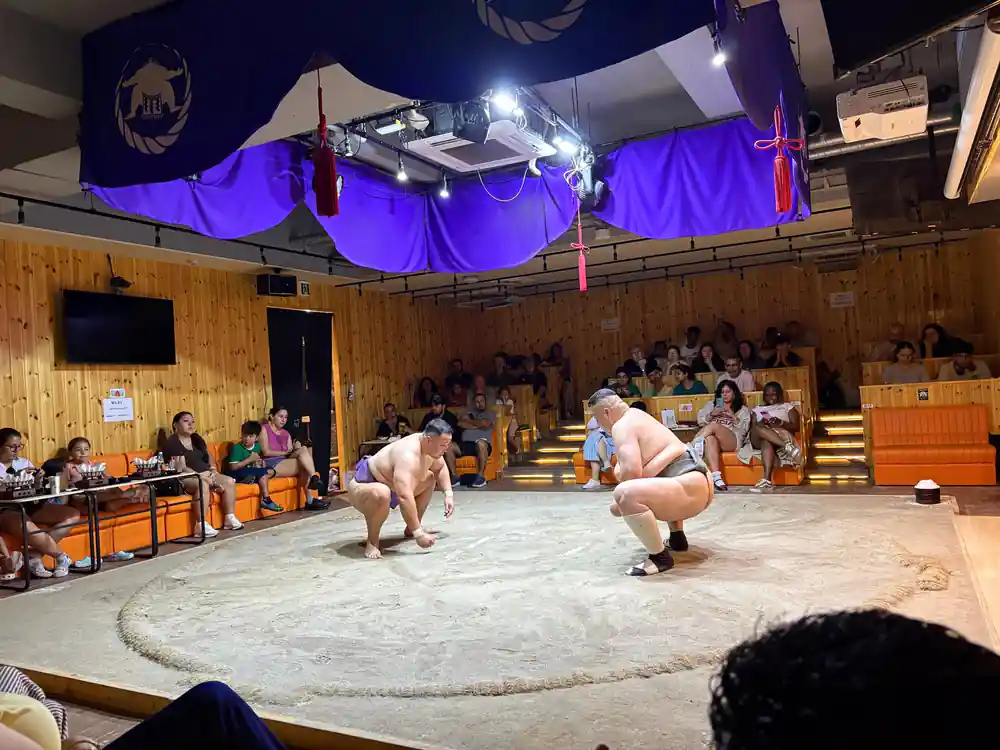
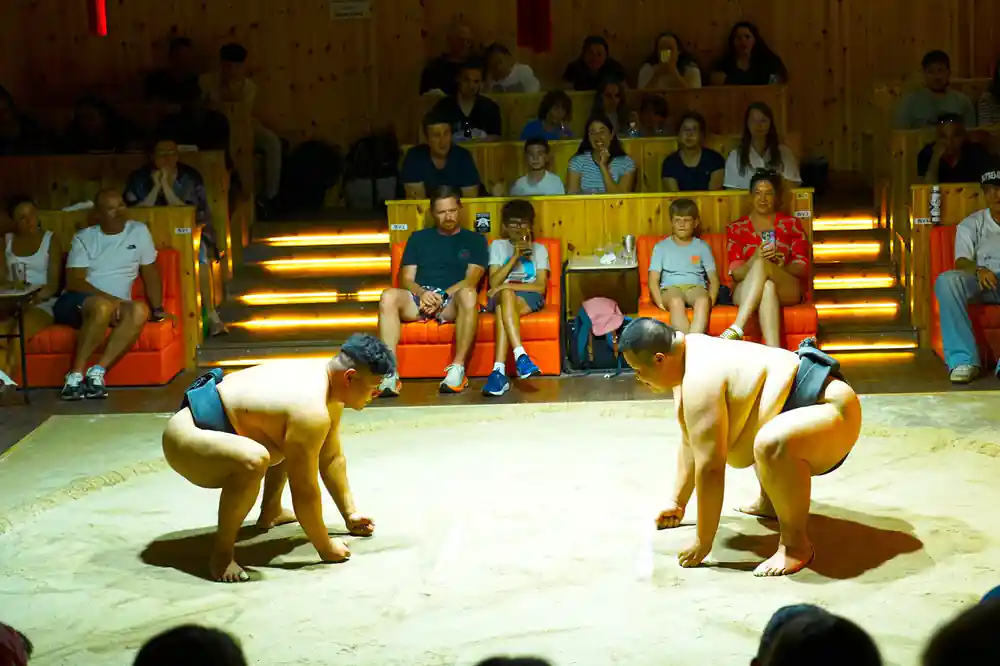
A challenger steps onto the clay while the whole room watches.
Children and the Sumo Challenge
A small challenger facing a retired wrestler is one of the best moments of the night, and children tend to get a warm reception from the room. Age rules vary between shows, so ask the operator before you book rather than after you arrive, and be clear about whether your child wants to grapple, shove or simply stand on the ring for a photo. If your child is keen, put them near the front where the host can see them, and stand up with them if the show allows it. It is worth telling staff on arrival that your child would like a turn, because a quiet word sometimes does what a raised hand cannot.
Not every child wants contact, and that is fine. A bow to the wrestler, a photo at the edge of the ring and a wave to the crowd give a shy child the memory without the shove. If you are travelling with a wheelchair user, the Family Sumo Workshop & Live Wrestling Show with Lunch is wheelchair accessible, lasts 2 hours and starts from US$62, and the show booked from this site is wheelchair accessible as well.[3][4] Both list free cancellation up to 24 hours in advance, which gives you room to change plans once you have seen the room.[3][4]
What to Wear for the Ring Challenge
Dress for a room you will be sitting in for a couple of hours, then think about the round. Loose trousers, shorts or a soft skirt you can move in work best, with a top that will not ride up when you crouch. Skip anything you would hate to have dusted off, because the clay is real clay and it does not brush out of silk. Flat shoes you can slip off in a second are the single best choice, and sandals are fine as long as they stay on your feet. Bring a layer too: show venues can feel warm while you are moving and cooler once you sit still.
Leave jewellery in your bag, take watches and rings off before you step up, and tie long hair back. If you are wearing a kimono or yukata for the evening, that is a lovely way to watch, but change into something simpler if you plan to take a turn on the clay, and hand your phone to a friend rather than tucking it into a waistband. The show booked from this site is wheelchair accessible, so guests who use a wheelchair can book with confidence.[3]
from US$102
The Sumo Entertainment Show with Chicken Hot Pot & Geisha runs 2 hours and is rated 4.79 from 8,004 reviews.[3]
Safety and How Contact Is Controlled
The wrestler runs the round, not the guest. You will be shown where to stand and when to charge, and the contact stops the moment anything looks wrong. A bout lasts 20-30 seconds.[2] Keep your arms in, do not grab at the belt, and step back if you lose your footing. If you feel unsteady, say so. Retired wrestlers have spent years reading bodies, and a guest who stands down is no problem at all.
It helps to know what you are standing opposite. In research from Keio University Sports Medicine Research Center, 25 makuuchi wrestlers averaged 161.2 kg in weight and 186.3 cm in height, and one account puts a modern wrestler's daily diet at 20,000 calories.[9][10] Nobody expects a guest to move that kind of mass. A show round is a controlled push and a quick decision, and it is the wrestler's balance that keeps you both upright. Let them set the pace, keep your feet under you, and enjoy the moment the room starts cheering for you.
What Happens During the Challenge Round
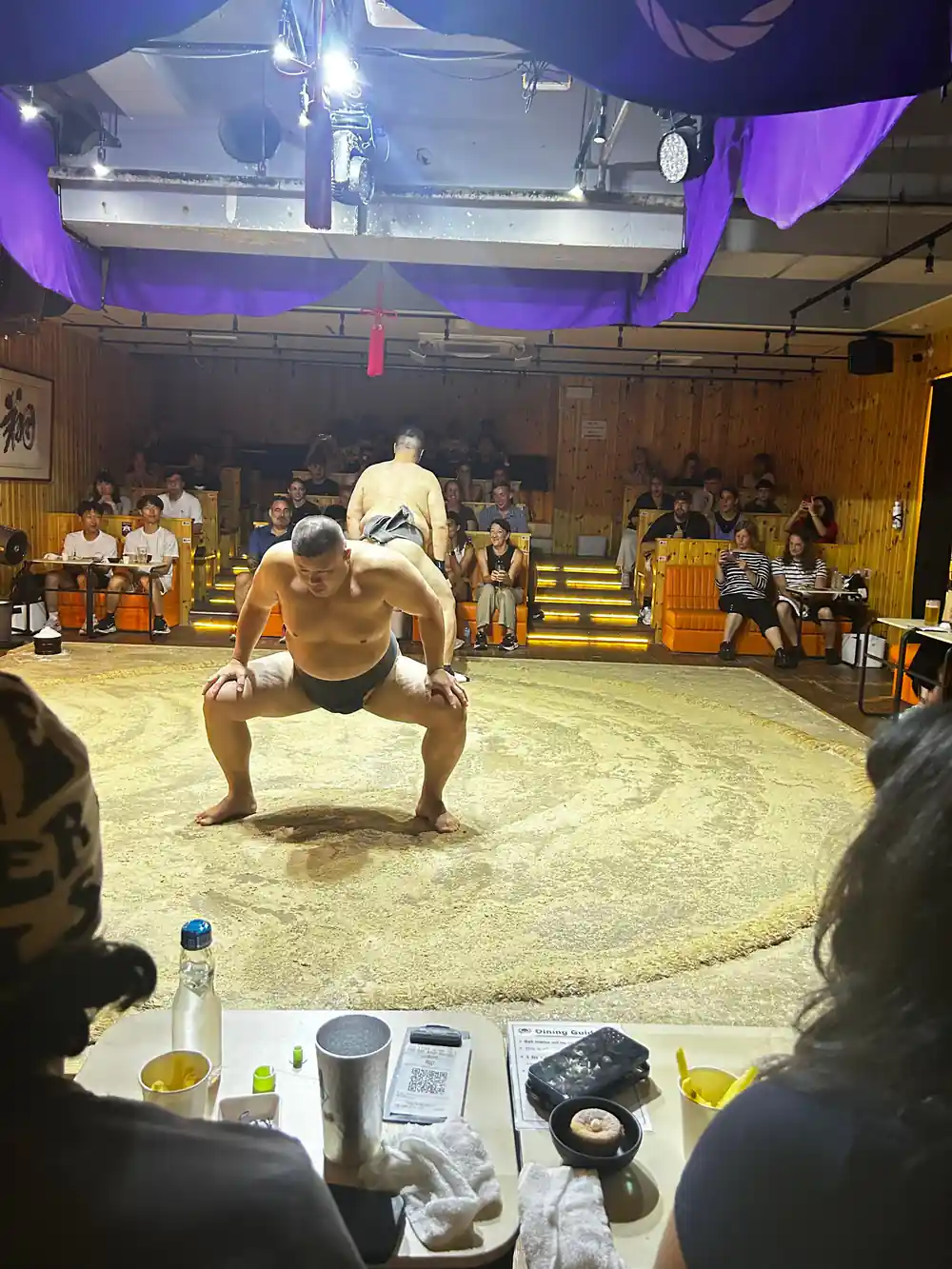
The round opens with the ritual you may have seen on television: a bow to your opponent, a clap of the hands, a stamp on the clay and a sprinkle of salt. Then both of you crouch, touch knuckles to the ground and charge. A bout lasts 20-30 seconds, and the end comes from a push, a sidestep or a simple loss of balance.[2] The referee calls the result, the wrestler steadies you and the room reacts. It is quick, which is why so many guests come back to their seat grinning and slightly surprised.
Behind the show sits a serious sport with a long memory. Professional sumo is divided into six divisions, with Makuuchi as the top division containing 42 wrestlers, and under the Nihon Sumō Kyōkai there are 47 stables training nearly 700 wrestlers.[11][12] Wins come through 82 kimarite, or match winning techniques, and 5 non-techniques or ways to lose, all defined by the Japan Sumo Association.[13] Historians date sumo's origins back 2,000 years, though it did not flourish as a spectator sport until the early 1600s.[14] Stepping onto the clay lands you briefly inside that story.
Can You Decline If You Are Picked?
Yes, and you will not be made to feel bad about it. A smile, a wave of the hand and a shake of the head is all the host needs, and another volunteer takes the slot. Watching is a complete experience: the bouts, the food, the music and the reaction of the room around you. If you would rather keep your camera in your hand than hand it to a stranger, that is a good reason to stay in your seat, and nobody will mind.
If you know before you arrive that you would rather not take part, that is useful when you book. The show booked from this site offers reserve now and pay later, and free cancellation up to 24 hours in advance for a full refund, which takes the pressure off a decision made weeks earlier.[3] Either way, the round tends to be the part of the evening guests talk about on the walk home, whether they stood up or stayed put. Bring a camera, cheer loudly, and let the wrestlers do the hard part.
How long each ring show runs
Durations as listed on each GetYourGuide listing:[3],[4],[15],[5].
What each Tokyo sumo show costs
US dollar from-prices shown on GetYourGuide for these listings:[3],[4],[5],[15] and[16].
When to book your sumo ring evening
Your ring challenge
Sit where you can be seen
Front rows and aisle seats make it easy for the host to spot you, and you get a better view of the footwork either way.
Raise your hand early
The invitation comes once, so have your bag under the chair, your hands free and your answer ready.
Step up and bow
Shoes off, onto the clay, copy the bow. The wrestler and the referee will point you to your mark.
Brace, but stay loose
A bout lasts 20-30 seconds[2], so keep your arms in, your feet under you and let the wrestler set the pace.
Bow out and take a photo
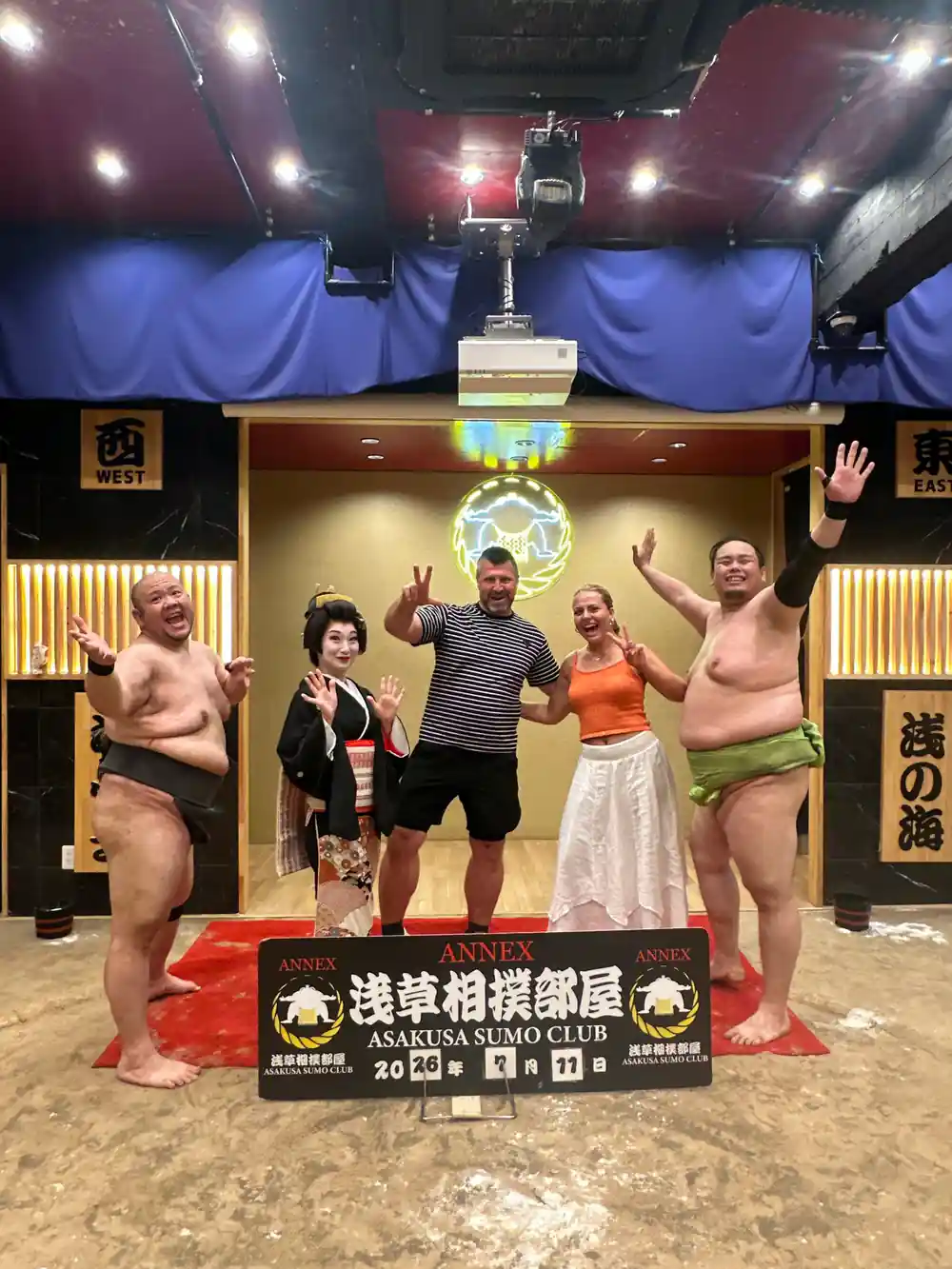
Once you are back on your feet, a photo beside the wrestler is the usual souvenir of the round.
Watch the ring challenge, or step onto the clay yourself
from US$102Reserve now & pay later