Worth remembering
- The Ryogoku Kokugikan sits in Sumida City and has a spectator capacity of up to 10,000.[1]
- Six Grand Sumo Tournaments are held each year, and Tokyo hosts three of them, in January, May and September.[2]
- Bouts last 20-30 seconds, and the sumo dohyo has a diameter of 14.93 feet (4.55 m).[3][4]
- A wheelchair seat costs 8,000 yen and is for two people, a wheelchair user and one accompanying person.[5]
- The Sumo Entertainment Show with Chicken Hot Pot & Geisha takes 2 hours and is rated 4.79 from 8,004 reviews.[6]
- Top choice Sumo Show, Hot Pot & Geisha from US$102 Duration2 hours[6]Rating4.79 from 8,004 reviews[6]CancellationCancel up to 24 hours in advance[6]BookingReserve now, pay later[6] Check availability
- Luxury Sumo Show & Cuisine from US$102 Duration2 hours[7]Rating4.72 from 920 reviews[7]CancellationCancel up to 24 hours in advance[7]BookingReserve now, pay later[7] See this tour
- Family Sumo Workshop from US$62 Duration2 hours[8]Rating4.90 from 430 reviews[8]CancellationCancel up to 24 hours in advance[8]BookingReserve now, pay later[8] See this tour
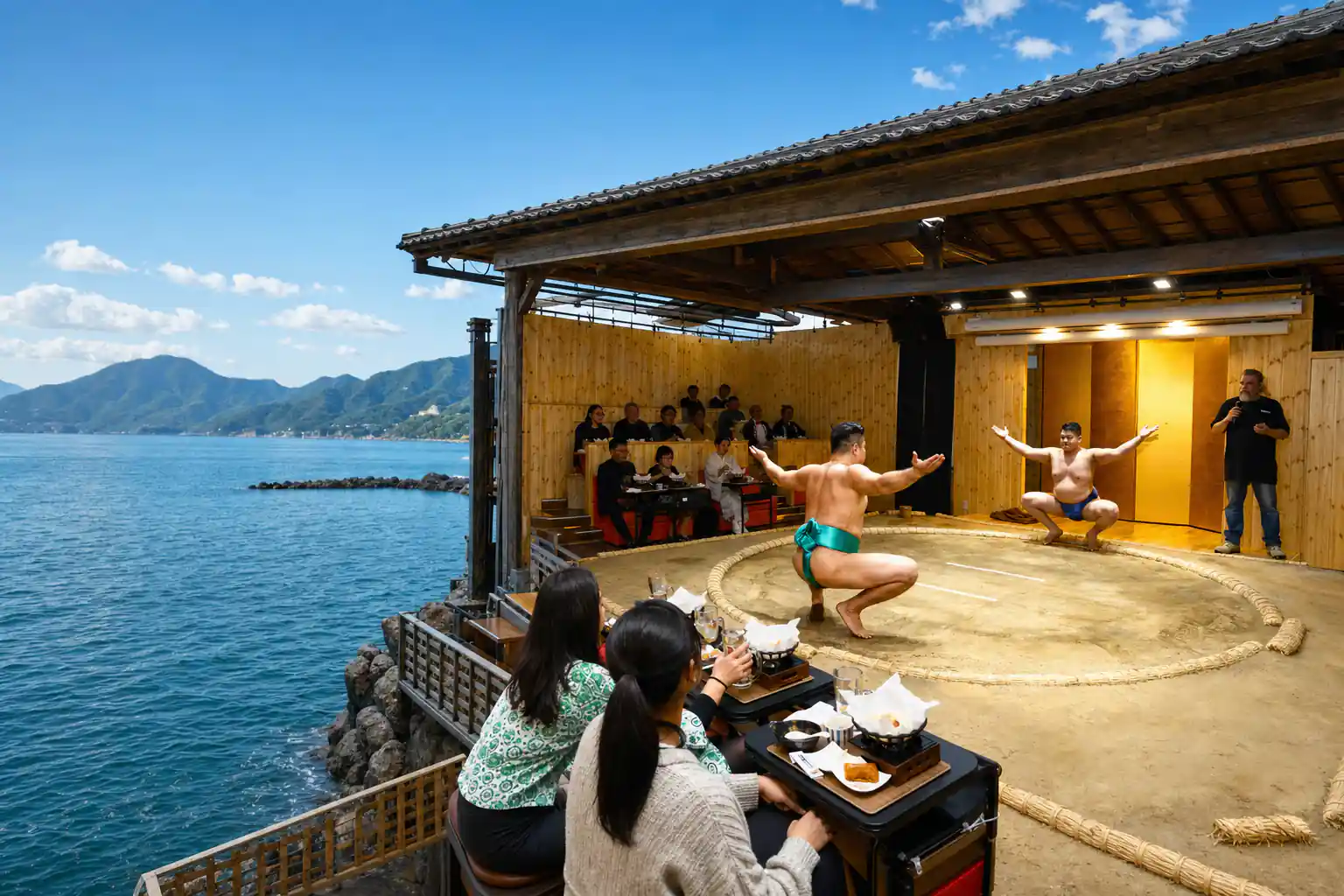
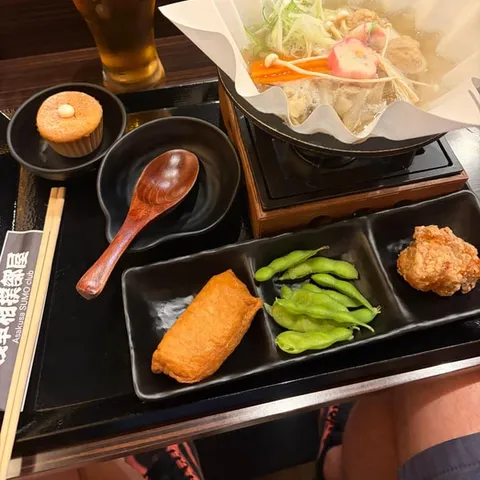
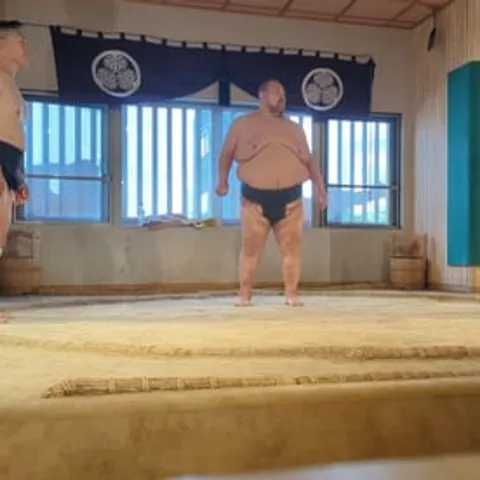
The Kokugikan National Sumo Arena located in Ryogoku (Sumida City, Tokyo) boasts a capacity of up to 10,000.
Is the Ryogoku Kokugikan worth your time?
Prepare for the day
Ryogoku Kokugikan: Tokyo's Sumo Stadium
The Ryogoku Kokugikan is the building most people picture when they think of a Tokyo sumo stadium. It stands in Ryogoku, in Sumida City, and the arena has a spectator capacity of up to 10,000.[1] On tournament days the streets around it fill with fans in yukata, souvenir stalls and the smell of grilled skewers. On quiet days you can walk past the entrance and hear almost nothing. Inside, the hall is a bowl of wood, sand-coloured clay and low light, and everything is arranged so that your eye keeps returning to the ring in the middle of the floor.
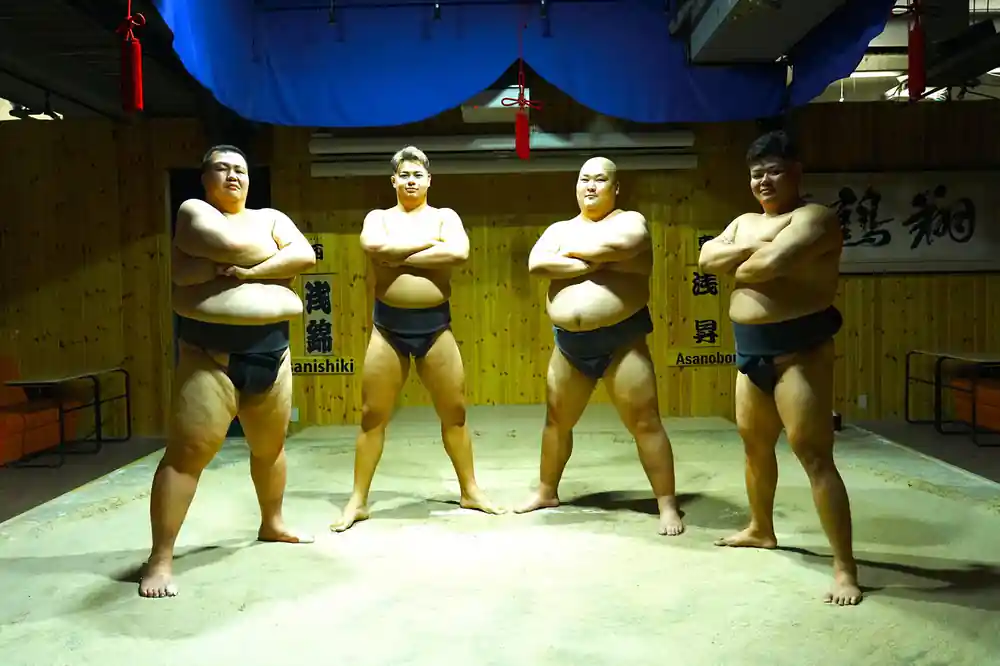
Sumo is a small world with a long memory. Under the Nihon Sumo Kyokai, the association that governs the sport in Japan, there are 47 stables training nearly 700 wrestlers.[10] Historians agree that sumo's origins date back 2,000 years, but it did not really flourish as a spectator sport until the early 1600s.[11] The Kokugikan is where that long story becomes a modern event: a covered arena, a raised clay ring, and a crowd that knows exactly when to shout and when to stay silent.
Getting to Ryogoku and Finding the Arena
Ryogoku, Tokyo's sumo neighbourhood, sits on the east side of the city centre, and the Kokugikan is close to Ryogoku Station, which is served by JR trains and the Toei Oedo subway line. Come out of the station and the arena is the large building nearby, with its distinctive curved roof. Signage around the entrances is in Japanese and English, and the staff are used to visitors who are not sure which door to use. For a tournament, arriving early is the good move: the lower divisions wrestle first, the hall is calm, and you can watch the seats fill around you.
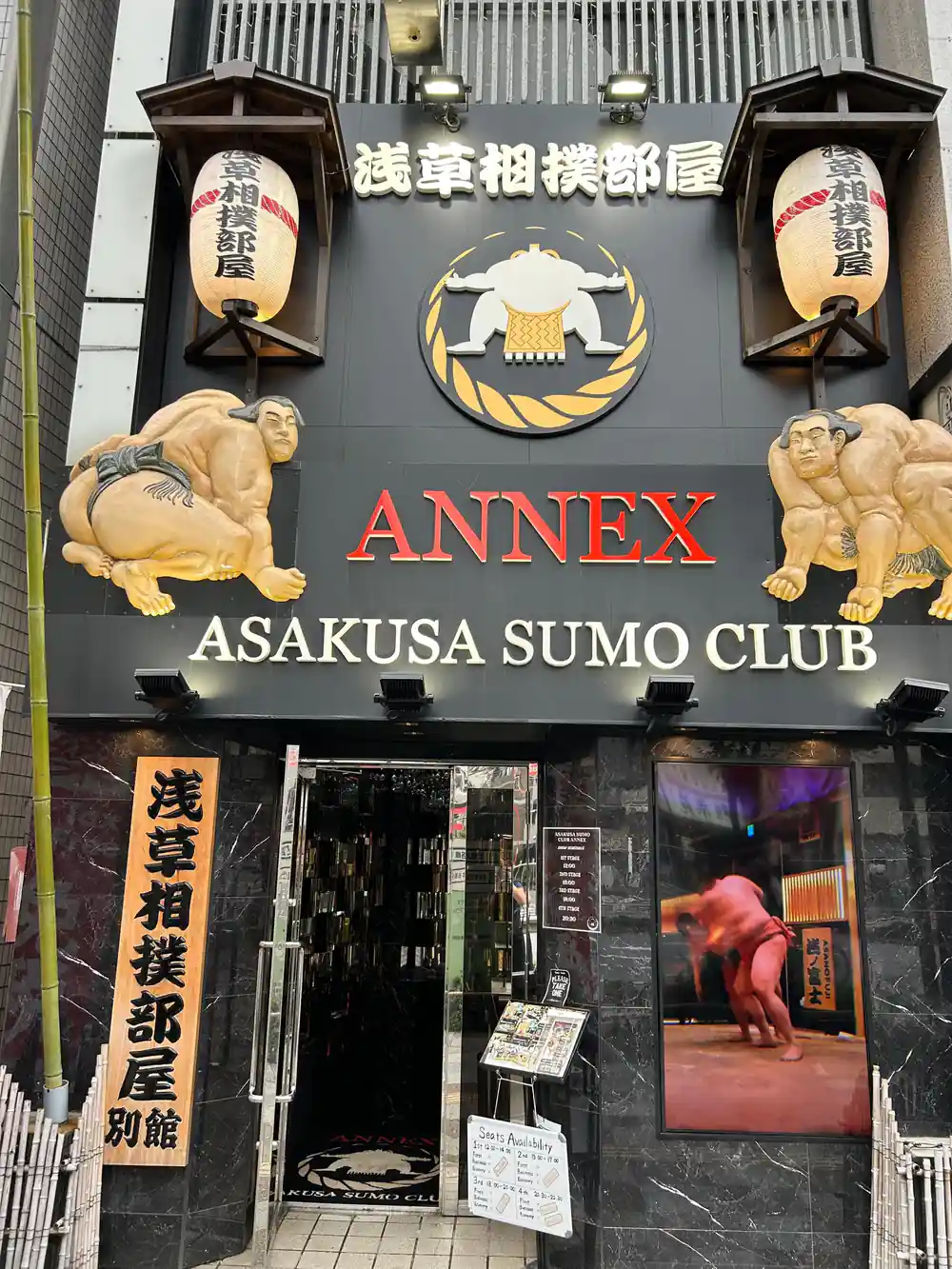
If you have booked a show or a workshop rather than a tournament, read the meeting instructions carefully, because sumo experiences take place in smaller halls and dedicated venues as well as in the Kokugikan itself. Give yourself a buffer either way. The walk from the station, the queue at the door and the search for your row eat into the time you thought you had. Comfortable, loose clothing works better than anything stiff, and it helps to travel light so you are not juggling bags in a tight row.
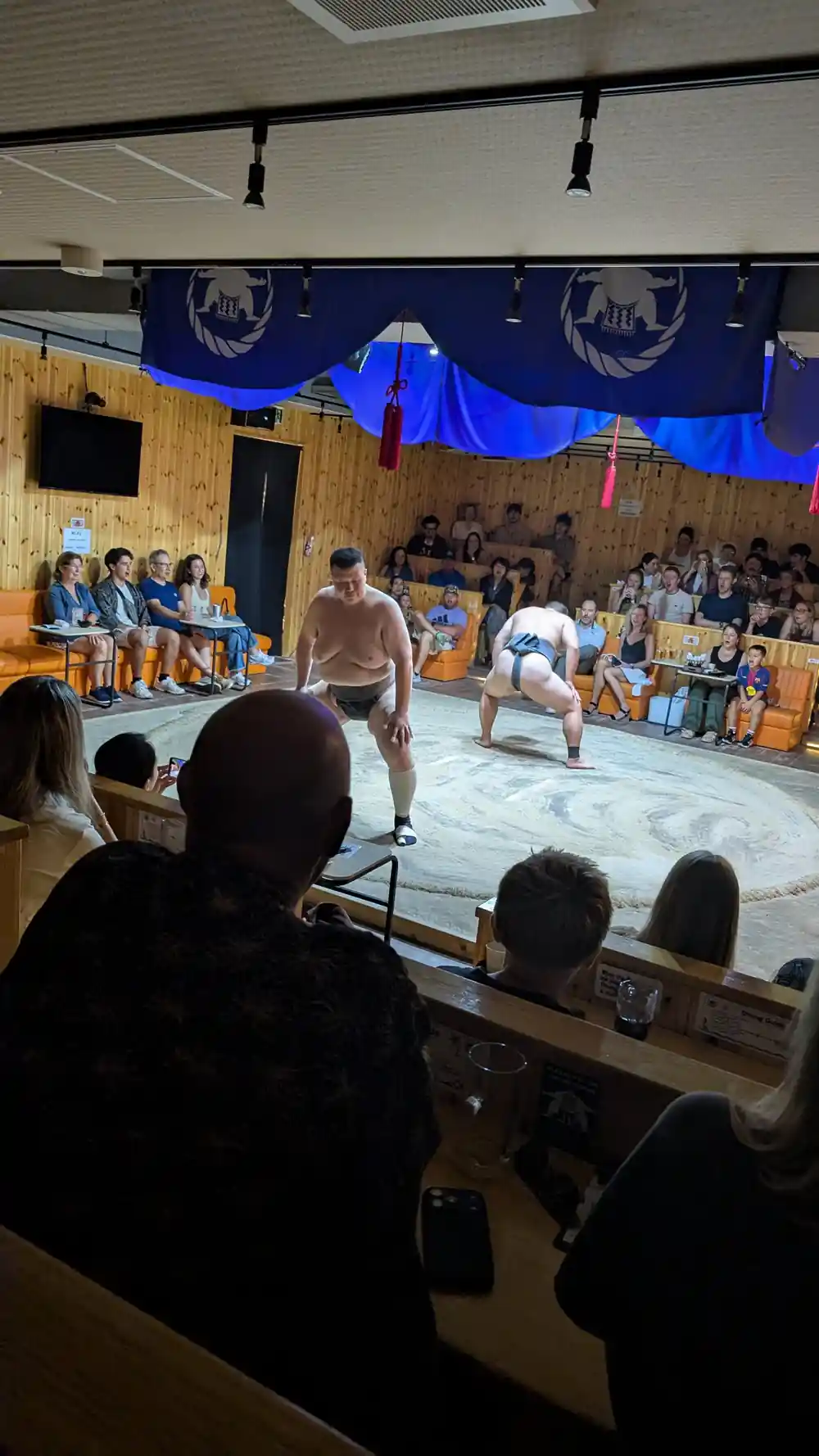
A sumo ring seen from the upper tiers of the arena.
The Sumo Year: When Tokyo Hosts Tournaments
Six Grand Sumo Tournaments are held each year, in Tokyo in January, Osaka in March, Tokyo in May, Nagoya in July, Tokyo in September, and Fukuoka in November.[2] Tokyo therefore gets three of them, all at the Kokugikan. If your dates line up with one of those months, plan early and build the rest of the trip around it. If they do not, you have not missed your chance to see sumo: practice visits, workshops and shows run alongside the tournament calendar, and they are often the easier ticket.
It also helps to know how the sport is organised. Professional sumo is divided into six divisions, and the top division, called Makuuchi, includes the top 42 wrestlers.[12] On a tournament day you will see matches from more than one of those divisions, with the top-ranked men appearing in the final hours of the afternoon. The mood shifts through the day, quieter during the early bouts and much louder once the Makuuchi wrestlers walk out.
What Actually Happens in the Ring
A sumo bout is short. Bouts last 20-30 seconds.[3] Everything around them is long: the salt thrown into the ring, the stamping, the crouch, the stare and the slow walk back to the mark. That contrast surprises most first-time visitors. You spend minutes watching two enormous athletes settle into position, and then it is over in a blink, sometimes before you have worked out who moved first.
The ring itself is small. The sumo dohyo has a diameter of 14.93 feet (4.55 m).[4] The men standing on it are not. Research on 25 makuuchi wrestlers found an average weight of 161.2 kg and an average height of 186.3 cm.[13] And winning is not only about pushing. In sumo, there are 82 kimarite, or match winning techniques, and 5 non-techniques or ways to lose, all defined by the Japan Sumo Association.[14] A referee in robes points to the winner, and the judges at the edge of the ring can be called on when a finish is unclear.
from US$102
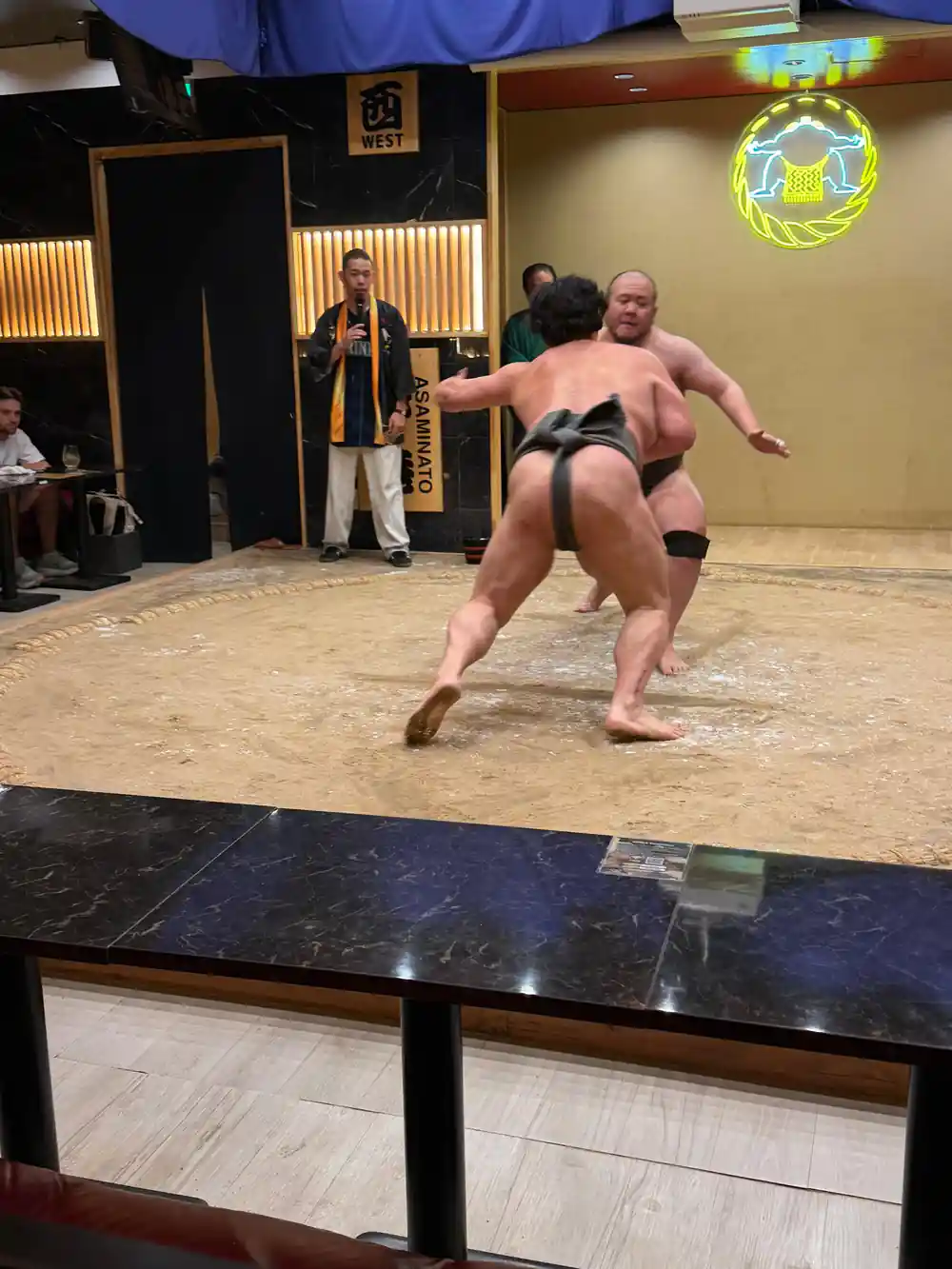
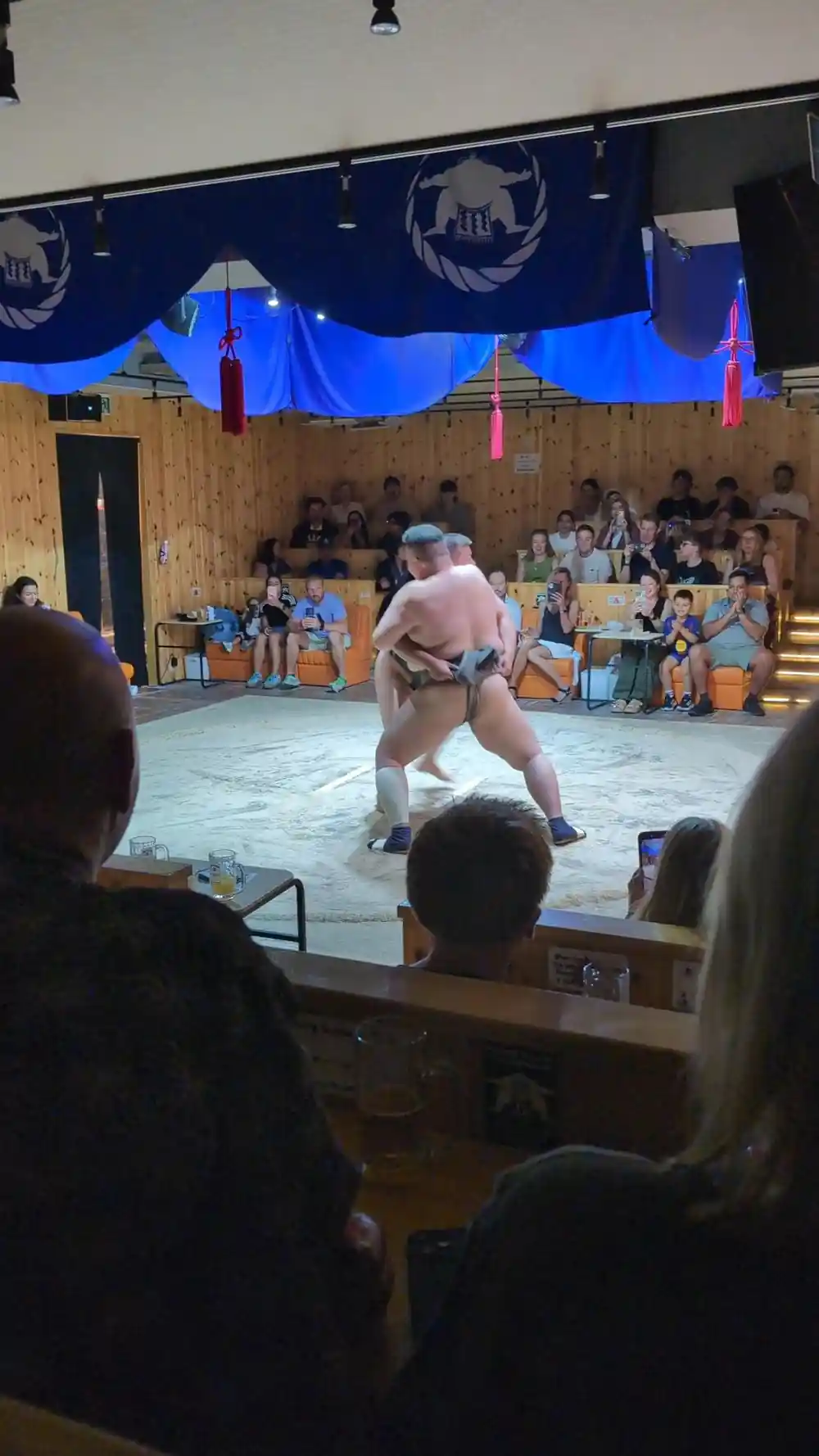
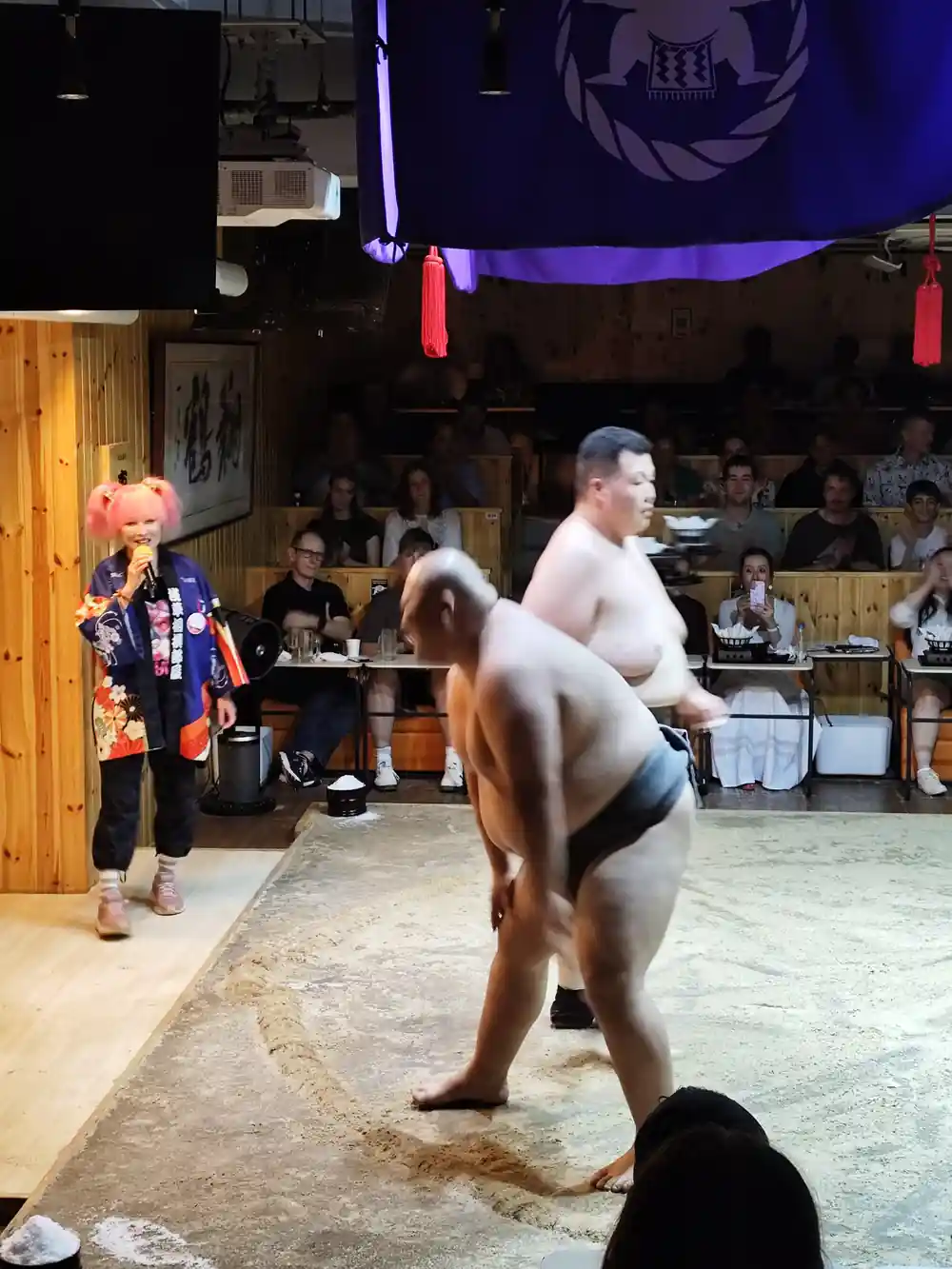
Sumo Entertainment Show with Chicken Hot Pot & Geisha: 2 hours, small group option.[6]
Seating, Tickets and the Tokyo Sumo Arena Seating Chart
Seating at the Kokugikan is arranged in a bowl, from low cushions near the ring up through box seats to the upper tiers. Closer is not automatically better. From the front rows you are near the impact, but the raised ring and the wrestlers' own bodies block much of the view, and you end up looking up through the salt. The mid-level blocks often show the whole dohyo most clearly, while the upper tiers let you follow the shape of each bout from above.
Access is part of the planning. A wheelchair seat costs 8,000 yen and is for two people, a wheelchair user and one accompanying person.[5] Whatever seat you pick, the seating chart is worth studying before you buy, because the arena is deep. Sitting further back shows you more of the ring but gives you less of the sound, and the sound is a large part of what makes a sumo hall feel like a sumo hall.
Morning Practice or an Evening Show?
There are two very different ways to see sumo in Tokyo. Morning practice, called asageiko, is the real work: training in a stable, typically starting between 5:00 and 7:30 AM and lasting 2-4 hours, with the exact start time varying by stable and season.[9] You sit quietly and watch men drill the same movement again and again, in a room with no music and no commentary. It is early, it is quiet, and it is not a performance.
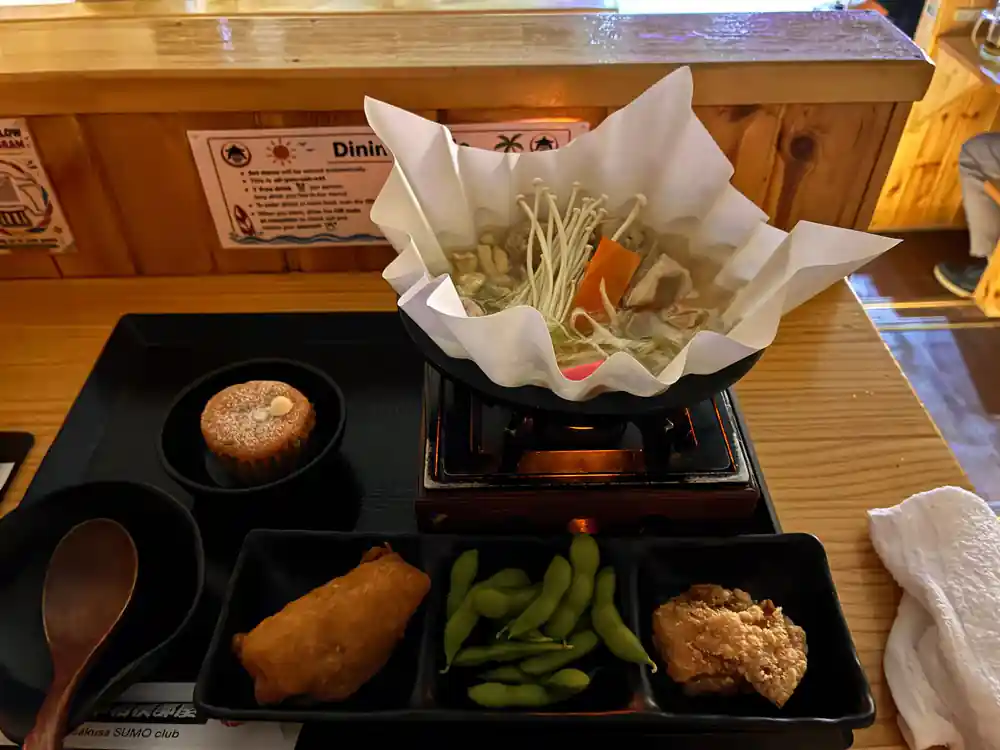
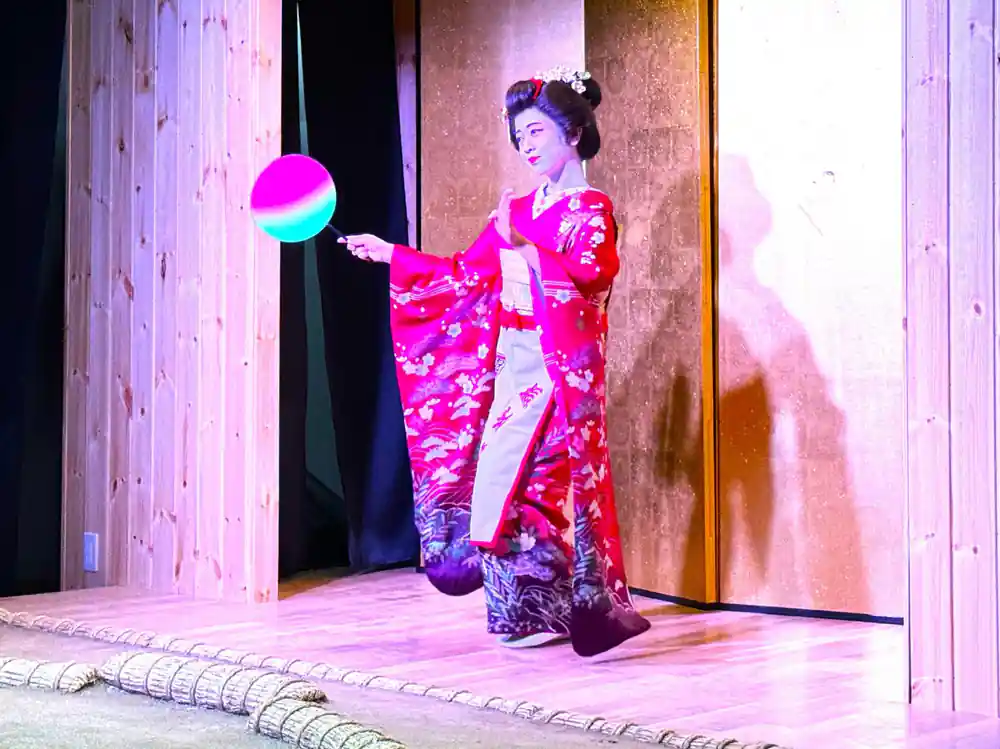
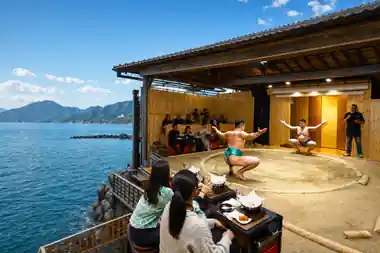
Shows and workshops are the other option, and they suit travellers who want context, food and a comfortable seat. The Tokyo: Sumo Entertainment Show with Chicken Hot Pot & Geisha takes 2 hours, has a small group available, and is wheelchair accessible, with free cancellation up to 24 hours in advance and the option to reserve now and pay later.[6] You get the ring, the ritual and an explanation of what you are watching, plus a hot pot shared at the table. A geisha's role is to make guests feel at ease with conversation, drinking games and dance performances.[15]
The food is part of the story. A modern Japanese sumo wrestler's optimal weight of between 400 and 600 pounds is sustained by a daily diet of 20,000 calories.[16] Nobody expects you to eat that much at a show. But the pot on the table comes from the same stable tradition: chicken, vegetables and broth, added in rounds, eaten slowly with rice on the side.
Making a Day of Ryogoku
Ryogoku rewards a slow afternoon. Around the arena you will find chanko restaurants, small shops and quiet streets running down to the Sumida River, and it is a pleasant area to walk before or after a show. If you have an evening performance, come early, eat nearby, and give yourself time to watch the light change over the water and the hall come to life.
Build the day around one fixed point, the show or the practice visit, and keep everything else loose. Buy souvenirs before the crowd leaves, since the merchandise stands wind down quickly once the last bout is over, then walk back to the station. Most people remember two things from a first sumo trip: how fast the bouts are, and how close the whole thing feels to the neighbourhood around it.
From prices for Tokyo sumo experiences
From prices in US dollars for these GetYourGuide listings:[6][7][17][18][19].
Compare from prices for sumo shows in Tokyo
All amounts are US-dollar from-prices for these GetYourGuide listings:[6][7][8][19].
When the Grand Sumo Tournaments come round
Planning your sumo visit
Pick your format
Tournament, morning practice or a ticketed show. Six Grand Sumo Tournaments run each year, three of them in Tokyo.[2]
Check the timing
Morning practice usually starts between 5:00 and 7:30 AM and lasts 2-4 hours.[9]
Think about seating
A wheelchair seat costs 8,000 yen and is for two people, a wheelchair user and one accompanying person.[5]
Book with flexibility
The Sumo Entertainment Show with Chicken Hot Pot & Geisha offers free cancellation up to 24 hours in advance.[6]
Leave time around it
The arena is a short walk from the station, so add a buffer for eating nearby before the doors open.
See sumo at the heart of Tokyo's sumo district
from US$102Reserve now & pay later