Worth remembering
- Grand Sumo comes to Tokyo in January, May and September, at Ryogoku Kokugikan in Sumida City, an arena with spectator capacity of up to 10,000.[1][2]
- Shows run outside the basho months, including the Sumo Entertainment Show with Chicken Hot Pot and Geisha, 2 hours from US$102.[3]
- Asageiko typically starts between 5:00 and 7:30 AM and runs 2-4 hours, with the exact time varying by stable and season.[4]
- A wheelchair seat costs 8,000 yen and is for two people, a wheelchair user and one accompanying person.[5]
- Bouts last 20-30 seconds on a dohyo with a diameter of 14.93 feet (4.55 m), and 82 kimarite and 5 non-techniques are officially defined.[6][7][8]
- Top choice Sumo Show, Chanko & Geisha from US$102 Duration2 hours[3]Rating4.79 from 8,004 reviews[3]CancellationFree cancellation up to 24 hours[3]PaymentReserve now and pay later[3] Check availability
- Luxury Sumo Show & Dinner from US$102 Duration2 hours[9]Rating4.72 from 920 reviews[9]CancellationFree cancellation up to 24 hours[9]PaymentReserve now and pay later[9] See this tour
- Ginza Sumo Show & Photos from US$61 Duration1.5 hours[10]Rating4.57 from 1,459 reviews[10]CancellationFree cancellation up to 24 hours[10]PaymentReserve now and pay later[10] See this tour
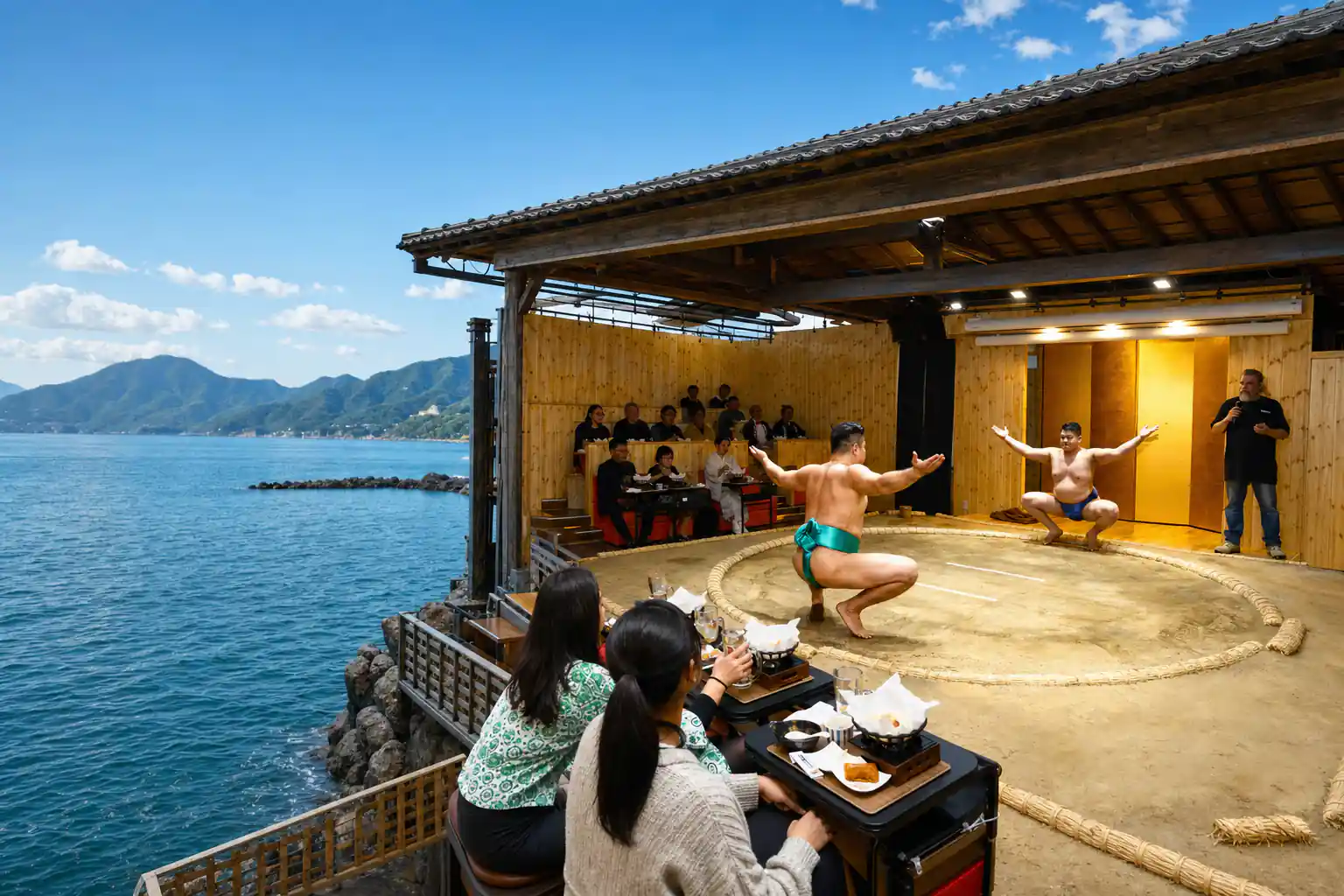
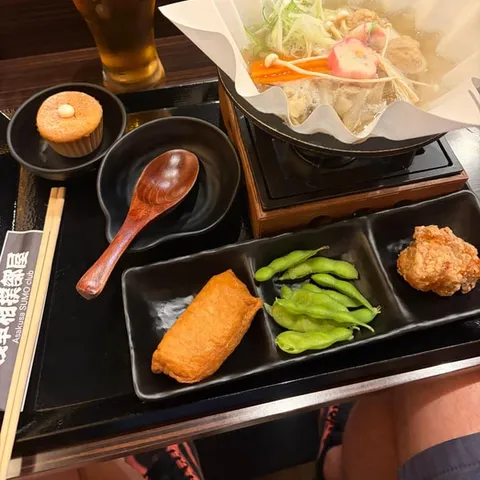
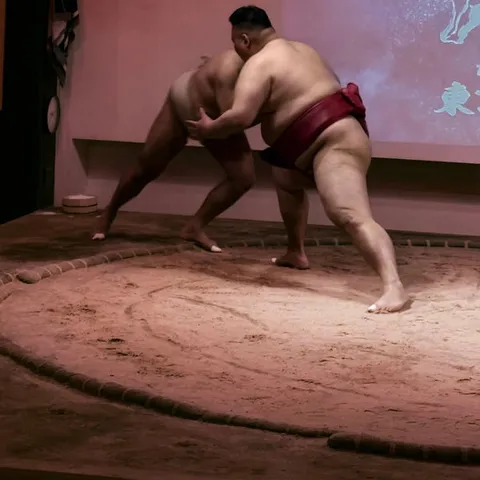
The sumo season kicks off in January with the Hatsu Basho in Tokyo, setting the tone for the year. The season then moves to Osaka in March, back to Tokyo in May, and continues through Nagoya (July), Tokyo (September), and Fukuoka (November).
Is the Tokyo Sumo Tournament Worth Planning Around?
Read before booking
Tokyo Sumo Tournament 2026: The Shape of the Year
Six Grand Sumo Tournaments are held each year: Tokyo in January, May and September, Osaka in March, Nagoya in July and Fukuoka in November.[1] Tokyo appears on that list in January, May and September, so the city offers more than one window in a year, while the other months belong to other cities.[1] If your travel dates are already fixed, check the calendar first, because the top division moves around the country rather than staying in one place.
The Tokyo tournaments are staged at Ryogoku Kokugikan in Sumida City, an arena with spectator capacity of up to 10,000.[2] The neighbourhood around it is the traditional heart of the sport, and it shows: stables, chanko restaurants, souvenir shops and small sumo museums sit within a short walk of the station. On a tournament morning the streets fill early with fans carrying cushions, banners and plastic bags of snacks, all heading the same way.
Sumo is not a modern invention. Its origins date back 2,000 years, although it did not really flourish as a spectator sport until the early 1600s.[11] What you watch at a basho keeps much of that older ceremony: salt thrown into the ring, a long crouch before the charge, heavy stomping to clear the space. Then comes a short, astonishing burst of wrestling, and the bout is over before you have finished reacting.
Choosing Between January, May and September
January opens the sumo year in Tokyo, at Ryogoku Kokugikan.[1] The days are short and the air is cold, which makes a long session indoors a comfortable way to spend an afternoon. For anyone who likes a big opening to a sporting season, this is the month that carries that feeling, with the first tournament of the year drawing a busy hall.
September is a Tokyo tournament month, and the arena seat worth knowing about is the wheelchair place: 8,000 yen for two people, a wheelchair user and one accompanying person.[1][5] Late summer in Tokyo is warm and often humid, so a seat inside the arena is a comfortable way to spend a long afternoon.
May is a Tokyo tournament month, with mild weather, fresh green in the parks and a relaxed mood around the city.[1] Whichever month you choose, the shape of a tournament day is similar. Lower-division bouts fill the early hours, the top division takes the ring later, and the noise in the hall builds as the day goes on. Bring a cushion if you plan to stay for the whole session, and expect to sit close to people who know far more about the sport than you do.
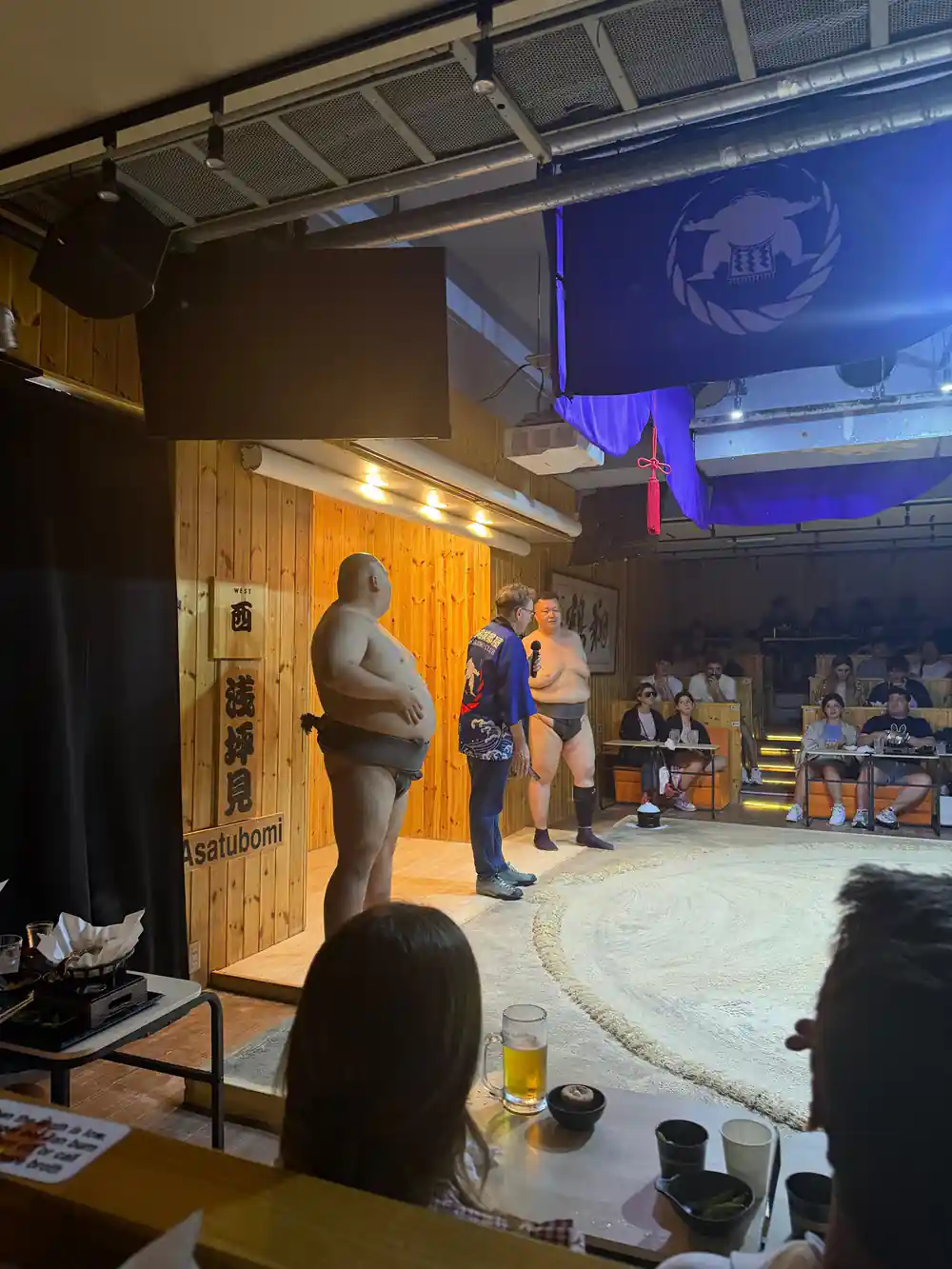
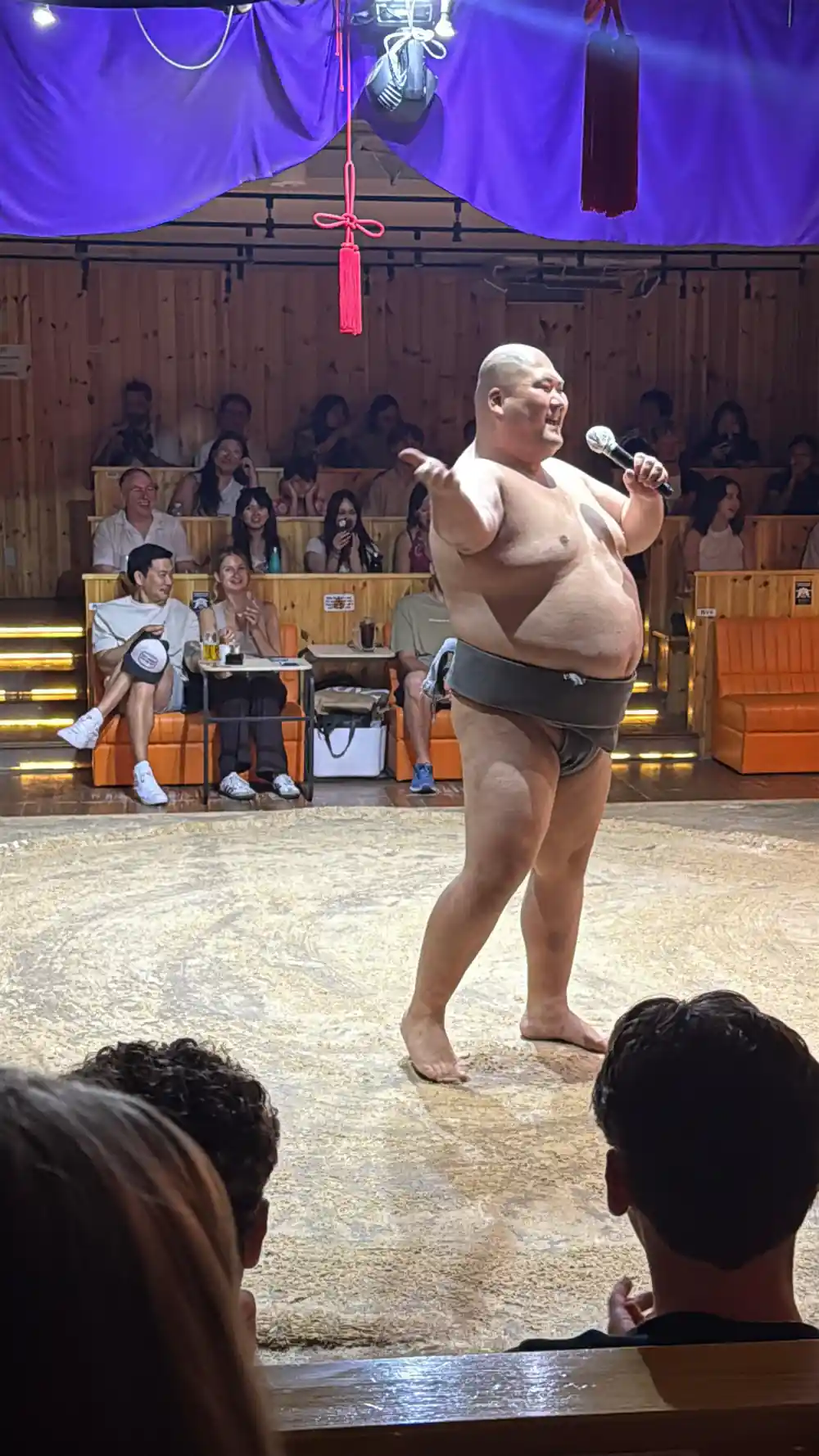
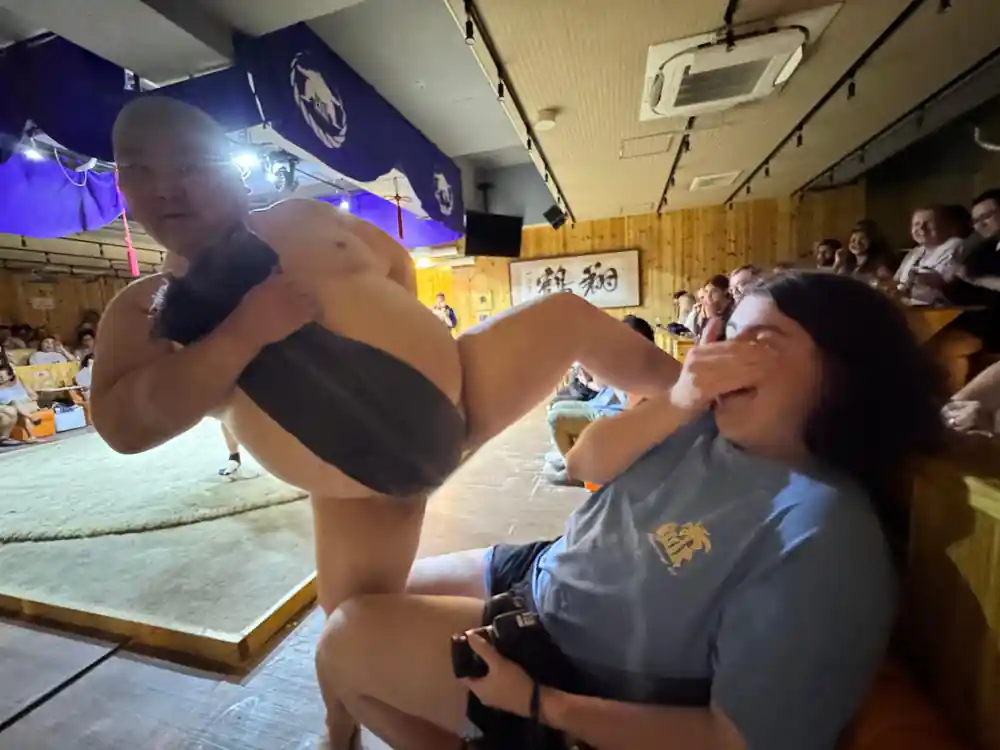
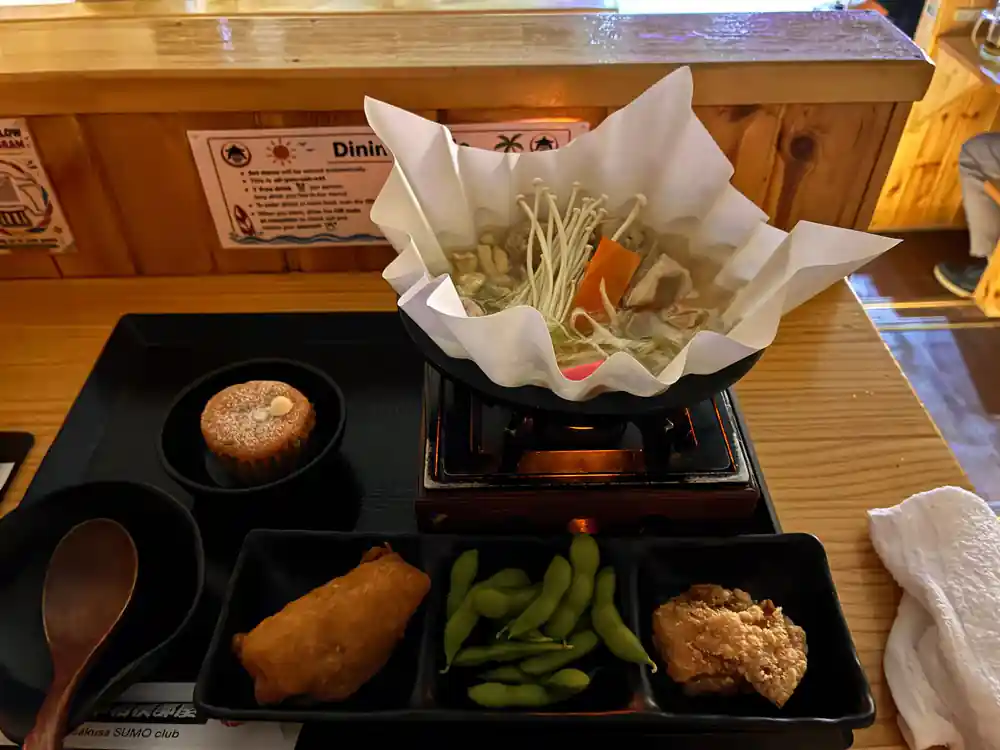
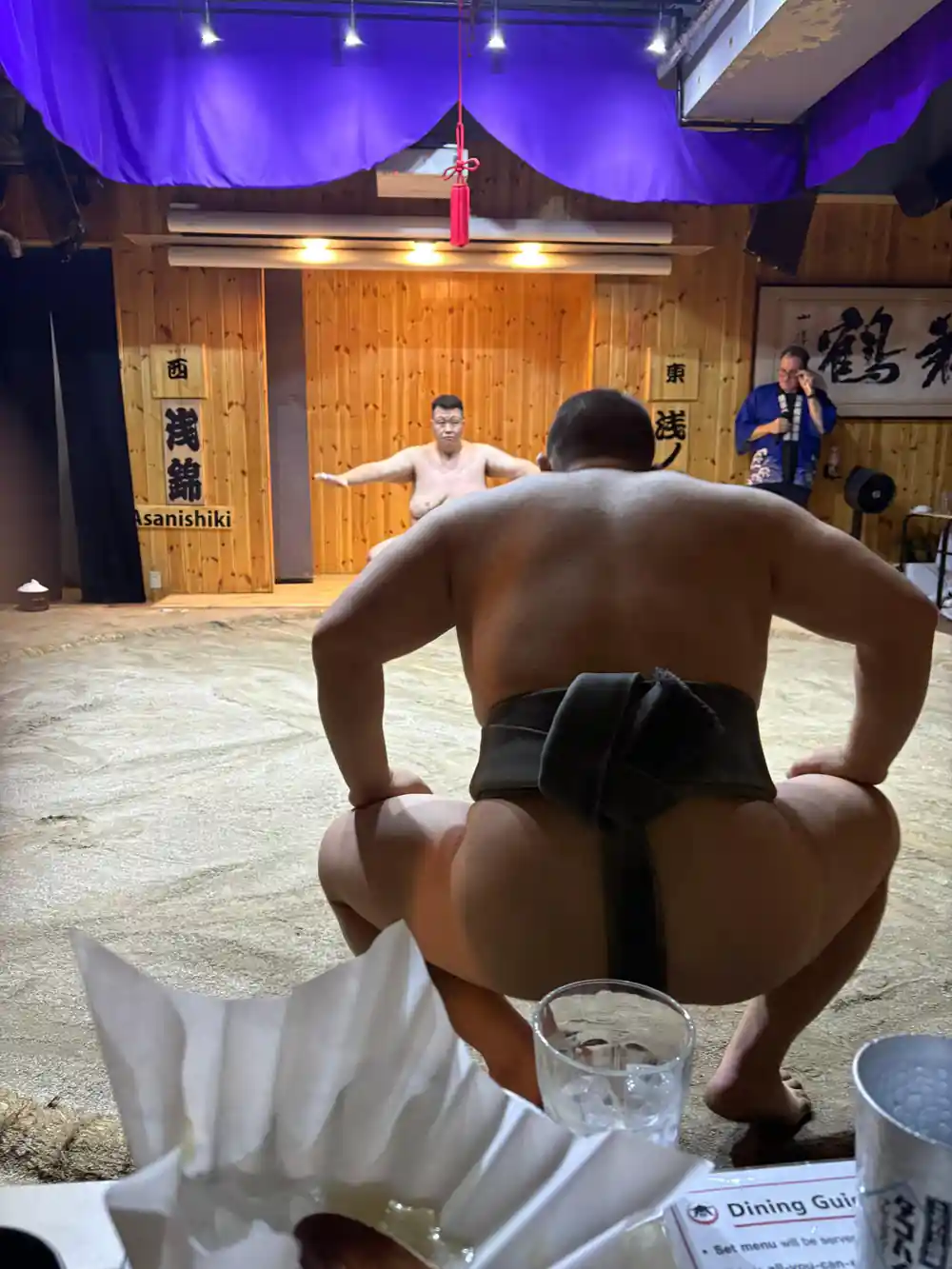
Chanko hot pot, a small stage ring and a crowd close enough to hear every impact.
Inside Ryogoku Kokugikan
The ring is smaller than most first-timers expect. A sumo dohyo has a diameter of 14.93 feet (4.55 m).[6] Two very large men step into that circle, and bouts last 20-30 seconds, with a ceremony before each bout.[7] The crowd usually reacts to the finish before you have worked out what happened, which is half the fun.
The techniques have names and numbers. In sumo there are 82 kimarite, or match winning techniques, and 5 non-techniques or ways to lose, all defined by the Japan Sumo Association.[8] Learning two or three before you go, a push-out, a belt throw, a sidestep at the edge, makes a very fast contest far easier to follow, and gives you something to shout about.
Professional sumo is divided into six divisions, and the top division, called Makuuchi, contains 42 wrestlers.[12] Below them, 47 stables train nearly 700 wrestlers.[13] At a Tokyo tournament you can watch that whole ladder across a single day, from the raw beginners in the morning to the men at the top of the sport in the final bouts.
Morning Practice: The Other Way to See Sumo
Training carries on whether or not a tournament is running, and guided tours let visitors watch it. Morning practice, known as asageiko, typically begins between 5:00 and 7:30 AM and continues for 2-4 hours, with the exact start time varying by stable and season.[4] Set two alarms, and plan an easy breakfast afterwards rather than a full day of sightseeing.
A professional practice with experts starts from US$90 and lasts 3 hours, as does a reporter-led morning practice from US$95.[14][15] Another option pairs a ring-side seat with a photoshoot, from US$95.[16] Some of these visits are limited to 10 participants.[16] Booking as soon as your dates are firm is the safest approach.
The physical scale of the top division is striking. Research cited for 25 makuuchi wrestlers gives an average weight of 161.2 kg and an average height of 186.3 cm.[17] The diet behind those numbers is part of the story: the optimal weight for a modern Japanese sumo wrestler, between 400 and 600 pounds, is sustained by a daily diet of 20,000 calories.[18] Watching a morning session, you see how much of the work is footwork, balance and grip rather than raw charging.
from US$102
The Sumo Entertainment Show with Chicken Hot Pot and Geisha runs 2 hours and is rated 4.79 from 8,004 reviews.[3]
Wheelchair Seats and Access in Ryogoku
If you need step-free access, sort it out early rather than on the day. A wheelchair seat costs 8,000 yen and is for two people, a wheelchair user and one accompanying person.[5] That single price covers both places, which makes planning for a companion simpler.
Staged shows can be the easier route. The Sumo Entertainment Show with Chicken Hot Pot and Geisha is wheelchair accessible, and so is a family sumo workshop with lunch elsewhere in Tokyo.[3][19] Both are indoor, sit-down experiences rather than long walks between locations, which matters if standing for hours is difficult.
Ryogoku station and the arena forecourt get busy close to the start of a session, so arriving with time to spare makes a real difference. Mention any access needs when you book, and ask where to enter, since large venues often run separate entrances for different ticket types. If you are travelling with someone who uses a wheelchair, a show plus a quiet dinner nearby is a comfortable way to end the day.
When There Is No Tournament: Sumo Shows in Tokyo
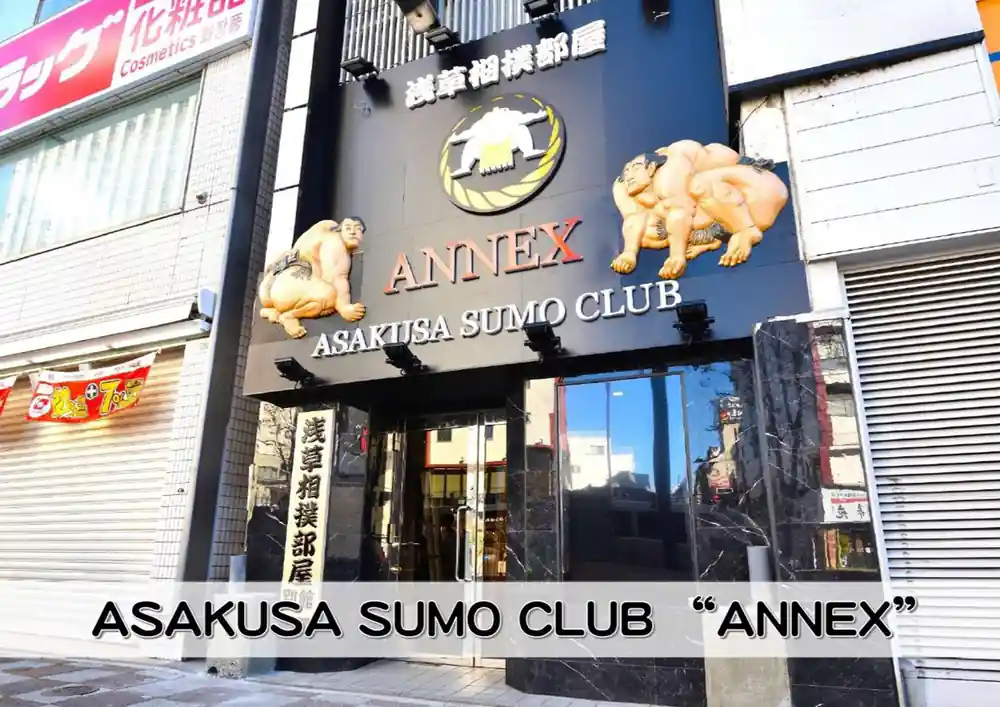
Between basho, Tokyo still has sumo on stage. The Sumo Entertainment Show with Chicken Hot Pot and Geisha runs 2 hours and starts from US$102, with a small group option and free cancellation up to 24 hours in advance.[3] It is a stage show rather than a tournament, so you get the wrestlers and the ceremony without a long day in the stands.
There is plenty of choice across the city. A Ginza show with a live performance and a photo experience starts from US$61, a family sumo workshop with lunch starts from US$62, and a luxury sumo show with Japanese cuisine and a drink starts from US$102.[9][10][19] Formats and prices differ, so compare what each one actually includes before you decide.
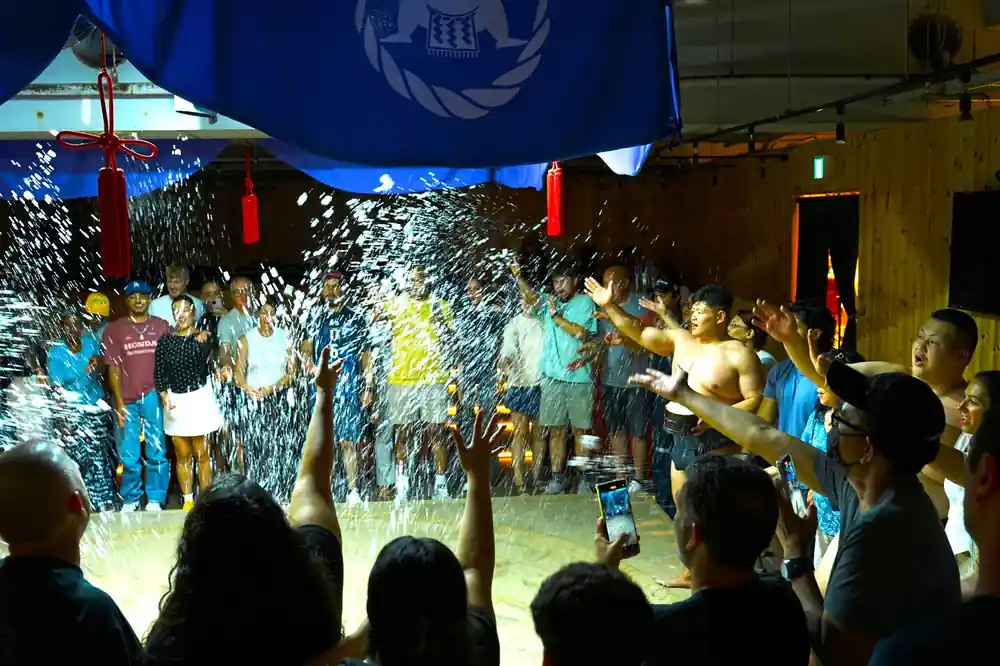
These shows are built for visitors rather than for a tournament crowd, so the setting is intimate and the pace is easier to follow. The food matters too: chicken hot pot, or chanko nabe, is the dish most closely tied to sumo life, and sharing a pot is part of the experience. Some shows also bring in a geisha, whose role is to make guests feel at ease during meals and banquets through conversation, drinking games and dance performances.[20]
Planning a Sumo Trip Around the Tokyo Schedule
If the tournament itself is the point of the trip, pick your month first and build everything else around it. Tokyo hosts the January, May and September tournaments,[1] and guided tournament tours are listed only close to each one, so check what is on sale once your month is set.
Ryogoku is easy to fold into a day. The arena is a short walk from the station, and the streets around it reward an hour of wandering before the bouts, with chanko restaurants, sumo-themed shops and quiet corners along the Sumida river. The Kokugikan also sits close to other Sumida sights, so a tournament session can pair with an afternoon nearby.
For dates without a tournament, the shows are the flexible option. The Sumo Entertainment Show offers reserve now and pay later, along with free cancellation up to 24 hours in advance.[3] Tournament seats are bought for one day, so read the terms before you commit. A morning stable visit and an evening show make a good pairing if you want to see the sport at both ends of its day.
How long a Tokyo sumo experience lasts
Durations as stated on these GetYourGuide listings.[3][10][15]
From-prices in US dollars
From-prices in US dollars for these GetYourGuide listings:[3][9][10]
When the Tokyo sumo tournaments fall
How to plan sumo in Tokyo
Pick your month
Tokyo hosts Grand Sumo in January, May and September at Ryogoku Kokugikan in Sumida City.[1][2]
Book a viewing tour
Pick a tournament month: Tokyo hosts January, May and September.[1]
Add a morning practice
Asageiko usually begins between 5:00 and 7:30 AM and runs 2-4 hours; guided stable visits start from US$90.[4][14]
Book a year-round show
The Sumo Entertainment Show with Chicken Hot Pot and Geisha lasts 2 hours and starts from US$102.[3]
Check access and refunds
The Sumo Entertainment Show is wheelchair accessible, with free cancellation up to 24 hours in advance.[3]
See sumo, chanko and a geisha in one Tokyo evening
from US$102Reserve now & pay later