Worth remembering
- In Ginza, sumo experiences start from US$48[1], while the show we book, with chicken hot pot and geisha, starts from US$102[2].
- A meal, a former wrestler, a ring-side seat or a morning stable visit all change what you pay, and so does the running time.
- Six Grand Sumo Tournaments are held each year, with Tokyo in January, May and September[3]. A wheelchair seat costs 8,000 yen for two people.[4]
- Morning practice visits start from US$90[5], and asageiko typically begins between 5:00 and 7:30 AM[6].
- Most Tokyo show listings offer free cancellation up to 24 hours in advance[2], but some tournament and dinner listings are non-refundable[7].
- Top choice Sumo Show, Hot Pot & Geisha from US$102 Duration2 hours[2]Rated4.79 from 8,004 reviews[2]CancellationFree cancellation up to 24 hours[2] Check availability
- Luxury Sumo Show & Cuisine from US$102 Duration2 hours[8]Rated4.72 from 920 reviews[8]CancellationFree cancellation up to 24 hours[8] See this tour
- Family Sumo Workshop & Show from US$62 Duration2 hours[9]Rated4.90 from 430 reviews[9]CancellationFree cancellation up to 24 hours[9] See this tour
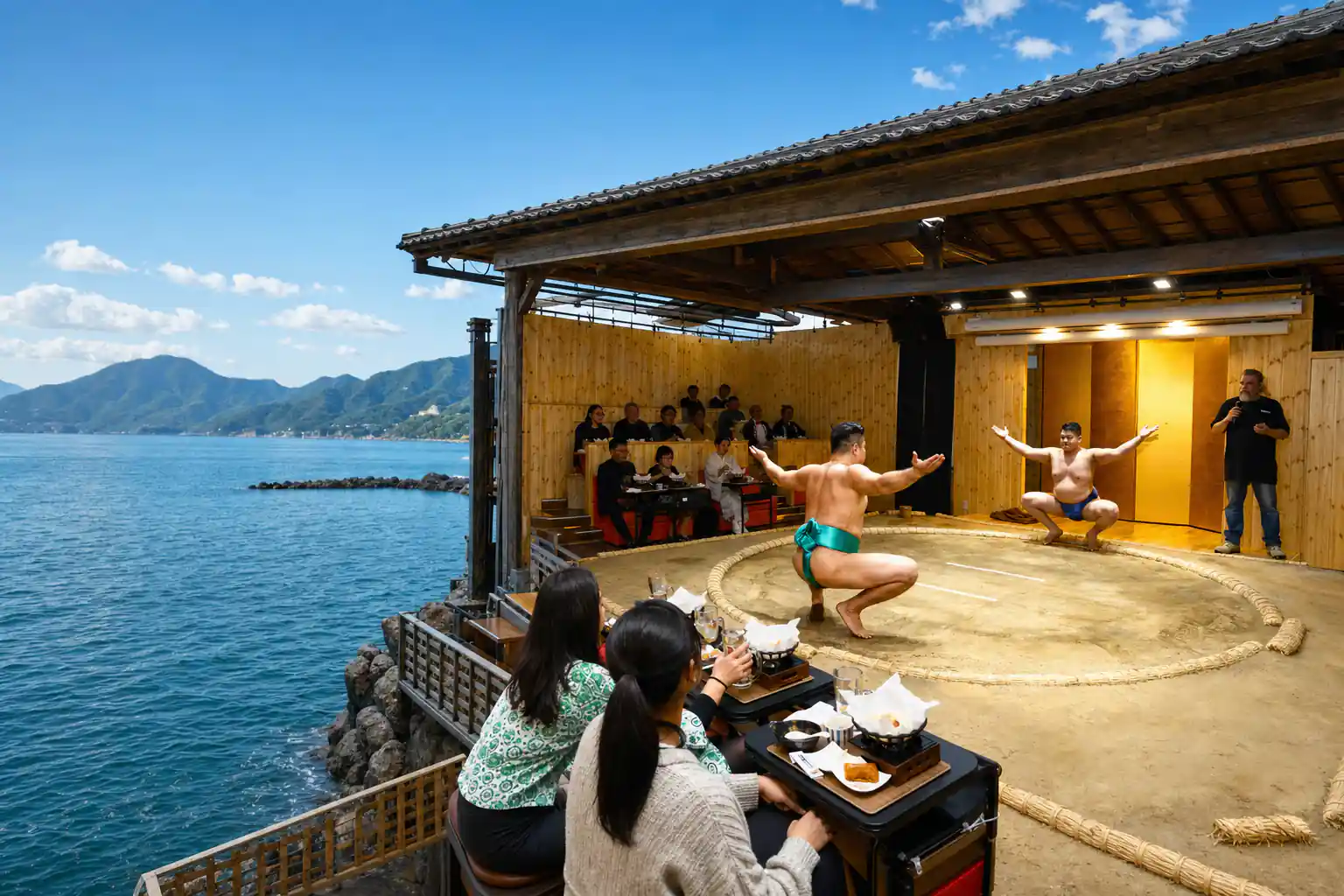
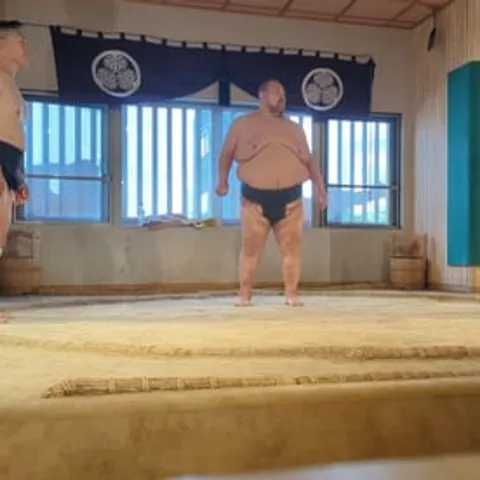
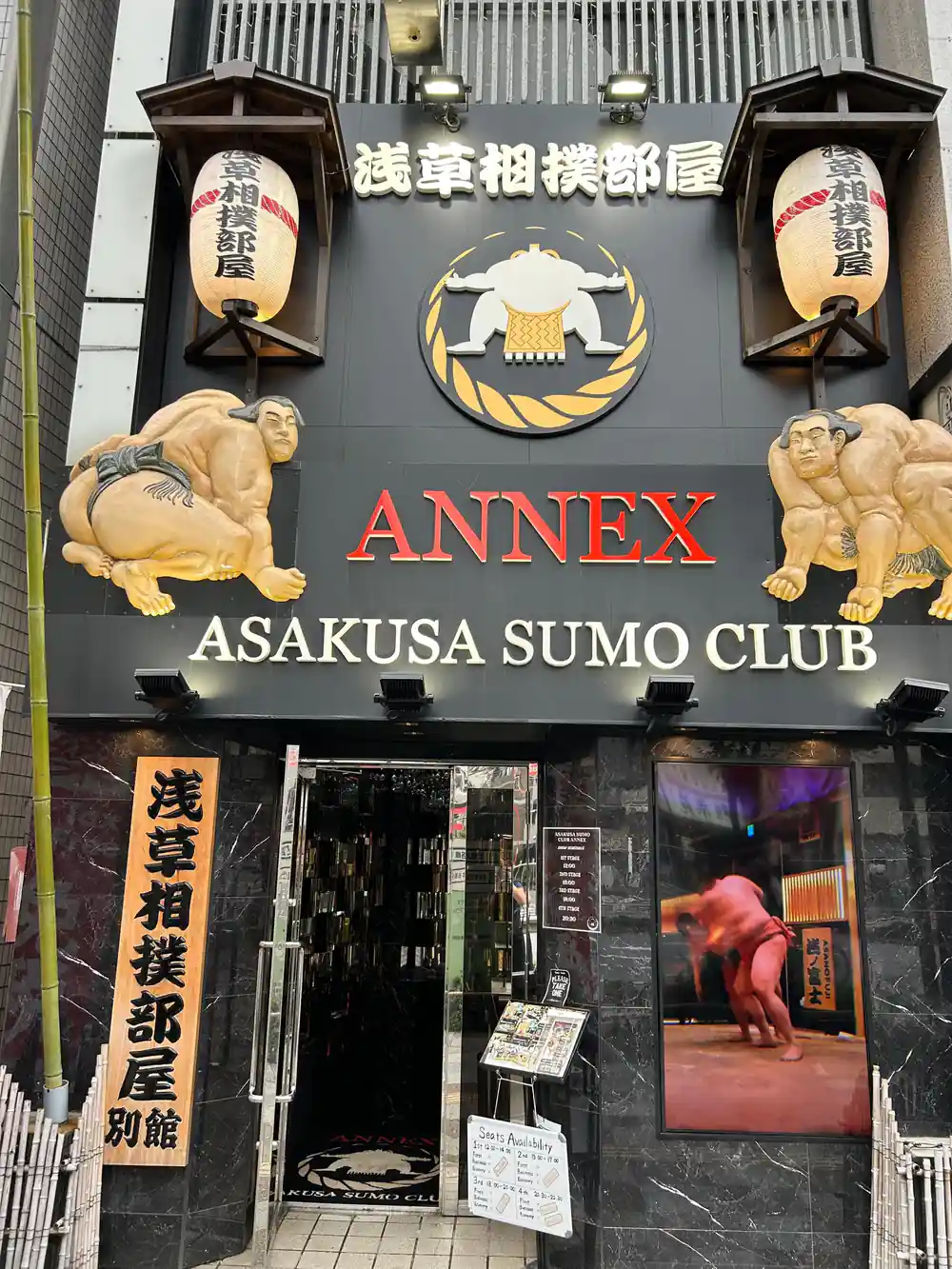
The Kokugikan National Sumo Arena located in Ryogoku (Sumida City, Tokyo) boasts a capacity of up to 10,000.
Is the ticket price worth it?
Read before booking
- Compare the from prices, then read what each ticket actually covers
- Check the running time: evening shows run a couple of hours, practice visits start before dawn
- Look for reserve now and pay later on the listing
- Read the cancellation window before you pay
On the day
- Ryogoku and Ginza are both easy to reach by train
- Ask about wheelchair access, which several listings offer
- A small group option is worth taking if you want close-up photos
- Morning practice is quiet and early, so dress warmly and arrive rested
What a sumo ticket in Tokyo costs
There is no single Tokyo sumo ticket price. A daytime show in Ginza, a morning visit to a working stable and a seat at a Grand Sumo Tournament are three different buys, and each is priced on its own terms. The lowest from prices here belong to short Ginza sessions, such as training with a former top-division wrestler from US$48[1], while the show we book, the Sumo Entertainment Show with Chicken Hot Pot & Geisha, starts from US$102[2]. In between sit plenty of options: the Family Sumo Workshop & Live Wrestling Show with Lunch from US$62[9], the Tokyo Ginza Sumo Show from US$61[10] and the Shinjuku Sumo Show from US$65[11].
Every figure here is a from price, so the operator sells at least some places at that number. Compare listings on what the ticket covers rather than on the headline alone. A meal, a former wrestler as host, a photo session or a ring-side seat all push the price up. Running time matters too: the show we book lasts 2 hours[2], the Tokyo Ginza Sumo Show lasts 1.5 hours[10] and the Family Sumo Workshop lasts 2 hours[9].
For most travellers the practical question is which format fits the trip. A short show slots into a free evening, a practice visit needs an early alarm, and a tournament day takes half a day or more. Compare the from prices with the running times, then open the listing for the date you want and check the total before you decide.
Shows, morning practice and Grand Tournaments
If your trip lands in a tournament month, that is the big buy. Six Grand Sumo Tournaments are held each year, in Tokyo in January, May and September, in Osaka in March, in Nagoya in July and in Fukuoka in November[3]. The Ryogoku Kokugikan sumo arena in Sumida City, Tokyo has a spectator capacity of up to 10,000[12], and a wheelchair seat there costs 8,000 yen and covers two people, the wheelchair user and one accompanying person[4].
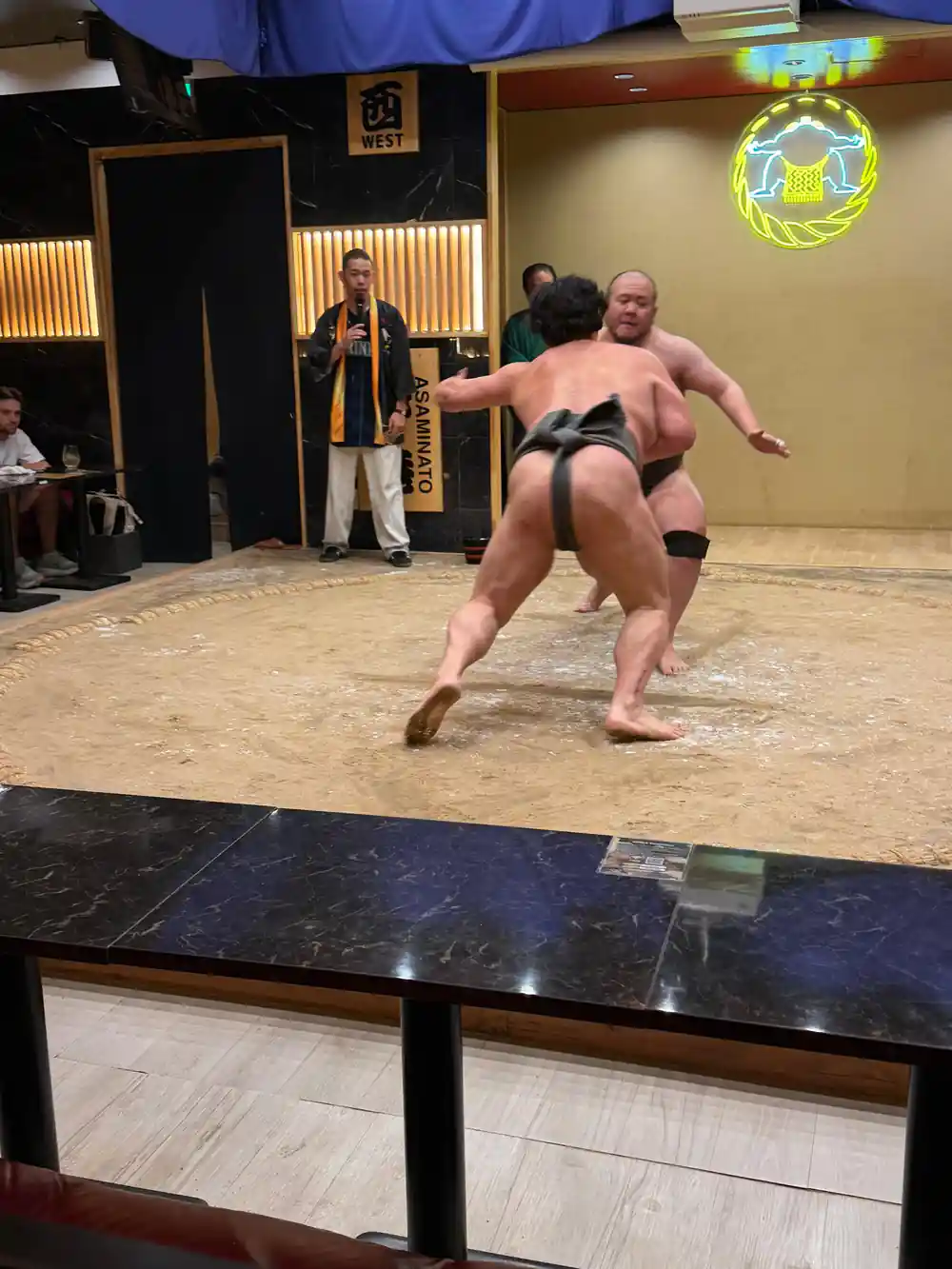
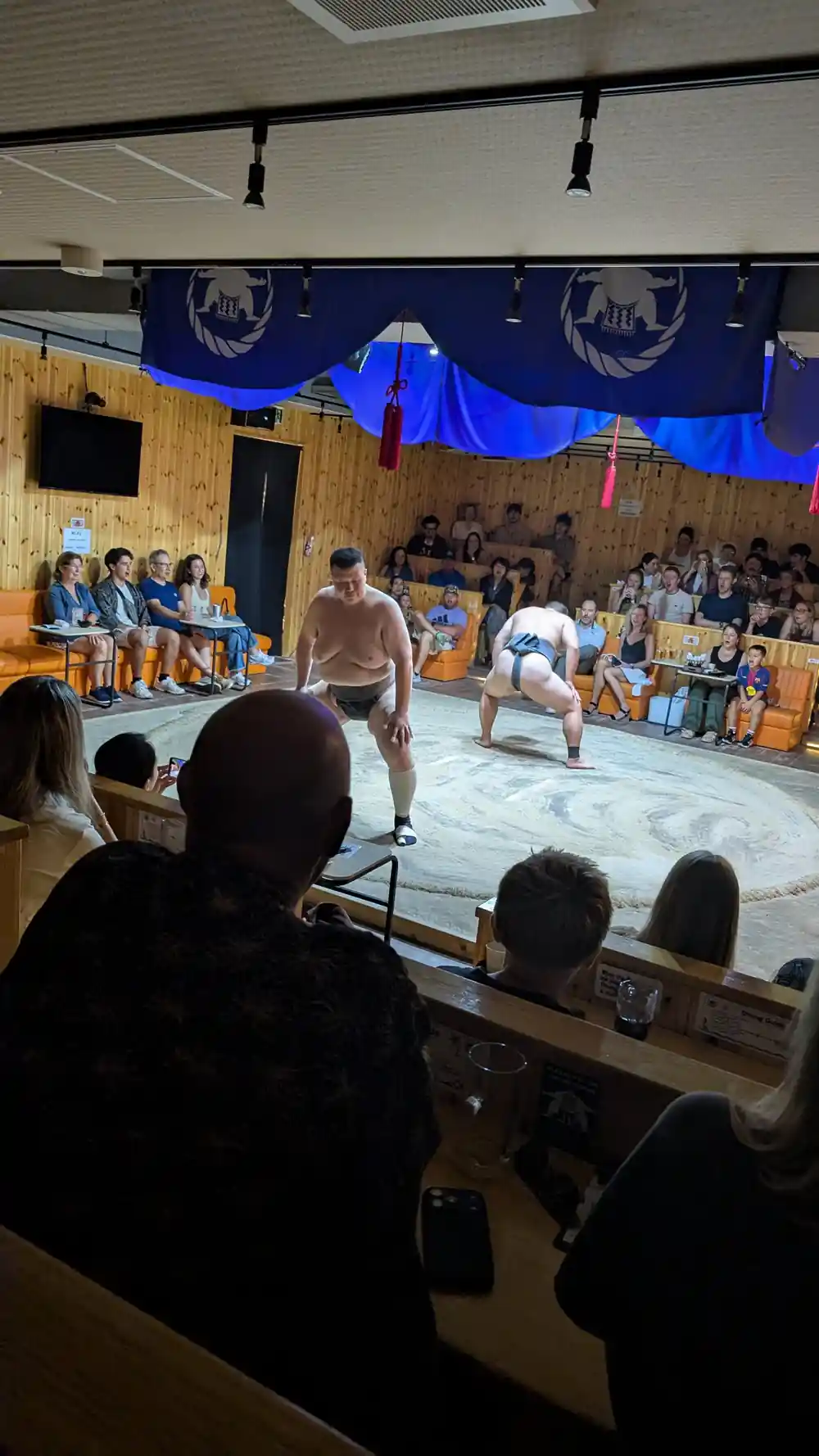
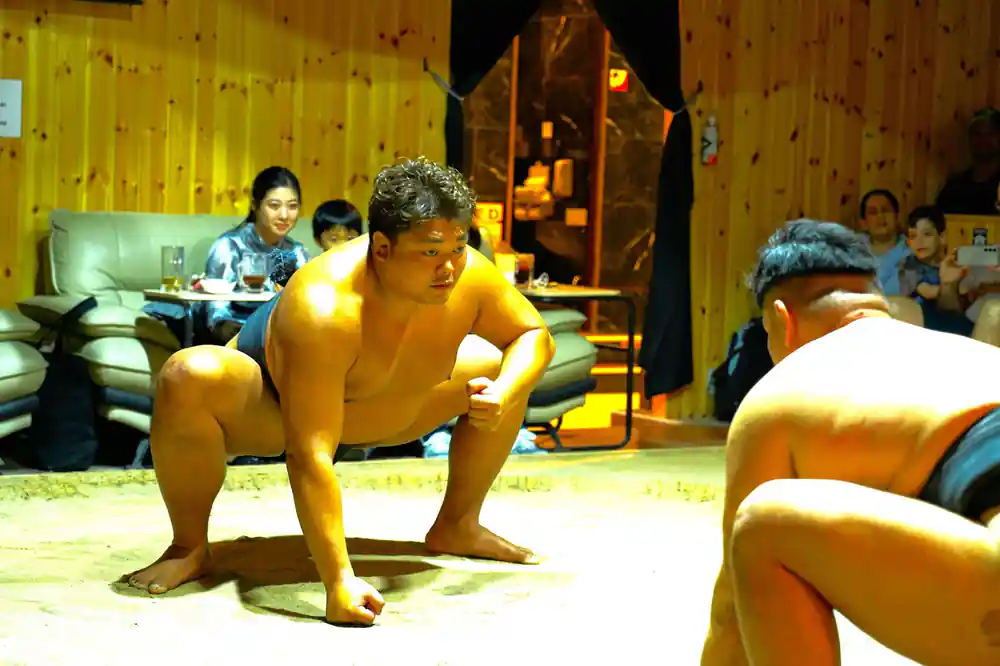
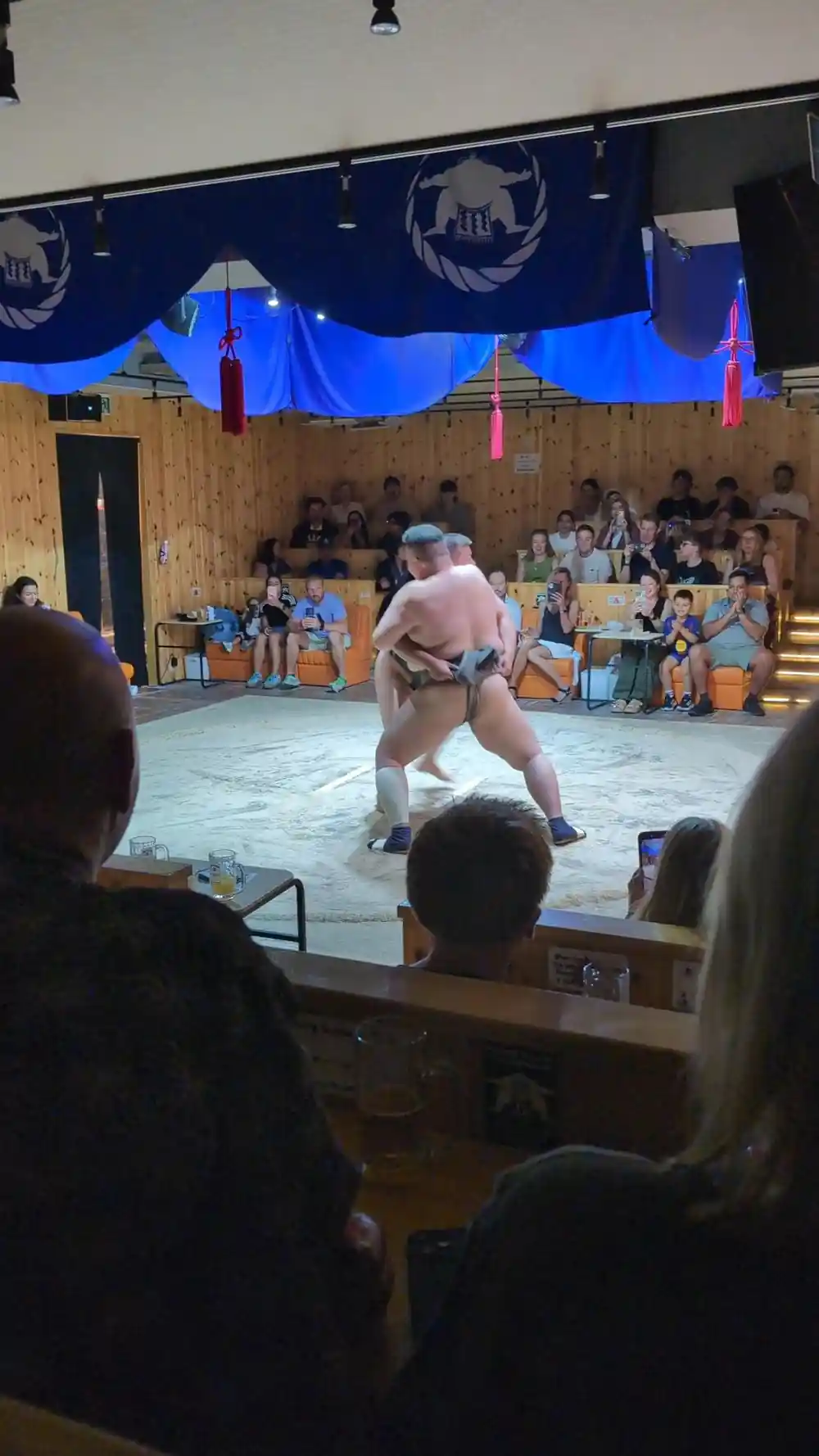
Outside tournament months, what you can buy is a visitor show or a practice visit. Shows are staged for travellers, usually with a ring, a host, photo time and often a meal. Practice visits take you to a working stable in the early morning. The bouts themselves are quick, lasting 20-30 seconds[13], so much of what you pay for is everything around the wrestling: the ceremony, the explanations and the meal.
One more thing is worth knowing before you compare. The ticket is rarely just the wrestling. Food, a guide, a photo with a wrestler and the seat class are usually what separates two listings that look almost identical at first glance.
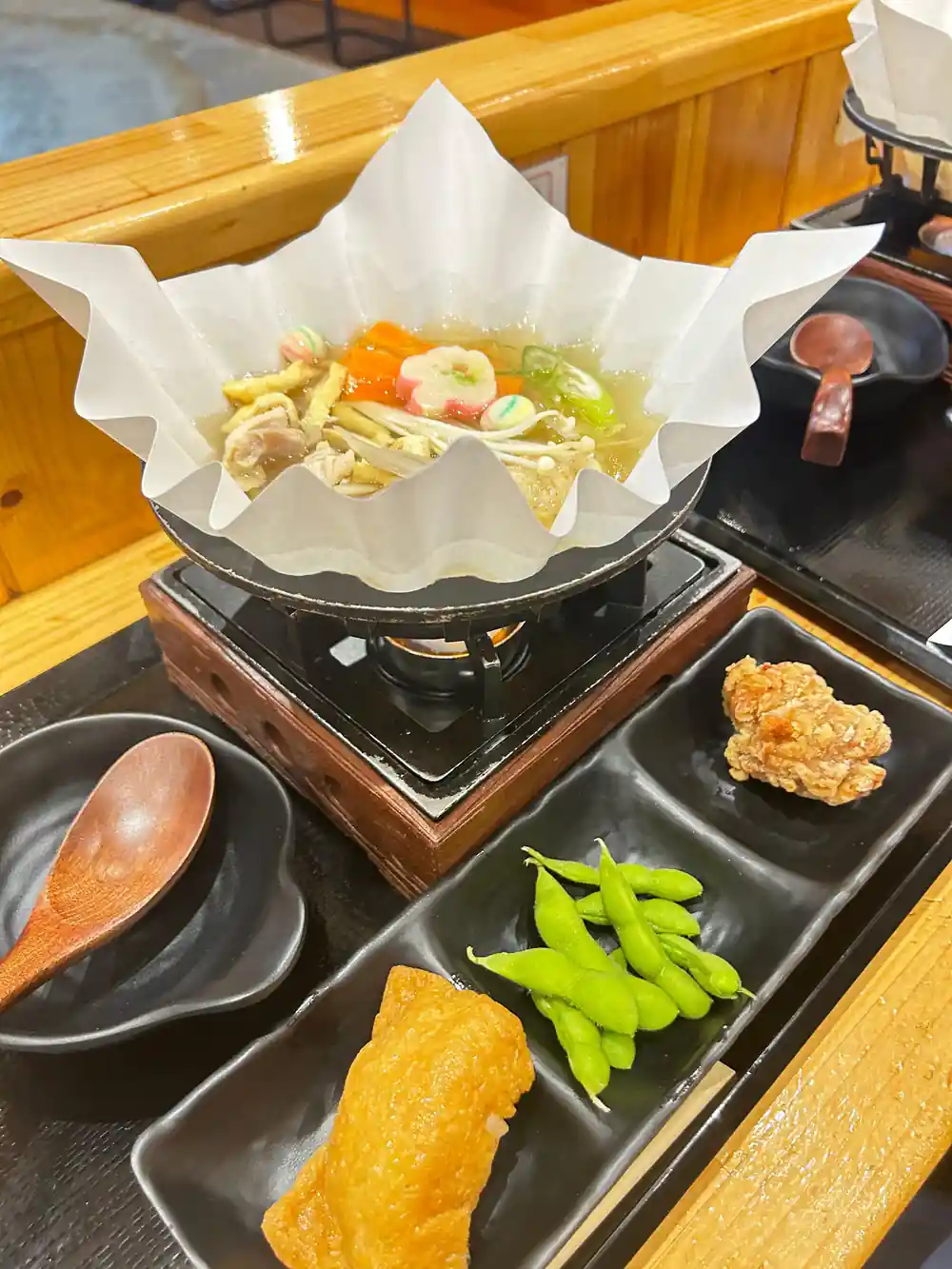
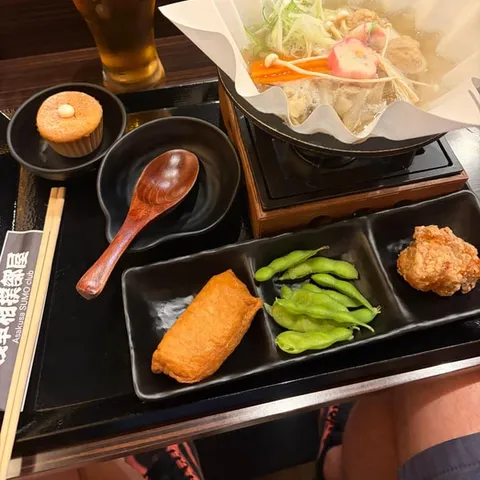
Chanko nabe arrives in one pot for the whole table, the way a stable eats
The sumo show we book: chicken hot pot and geisha
The tour we book from this site is the Tokyo: Sumo Entertainment Show with Chicken Hot Pot & Geisha. It starts from US$102[2] and runs 2 hours: check availability to see starting times[2]. It is rated 4.79 from 8,004 reviews[2], a small group option is available[2] and the listing is wheelchair accessible[2]. Reserve now and pay later is offered, with free cancellation up to 24 hours in advance for a full refund[2].
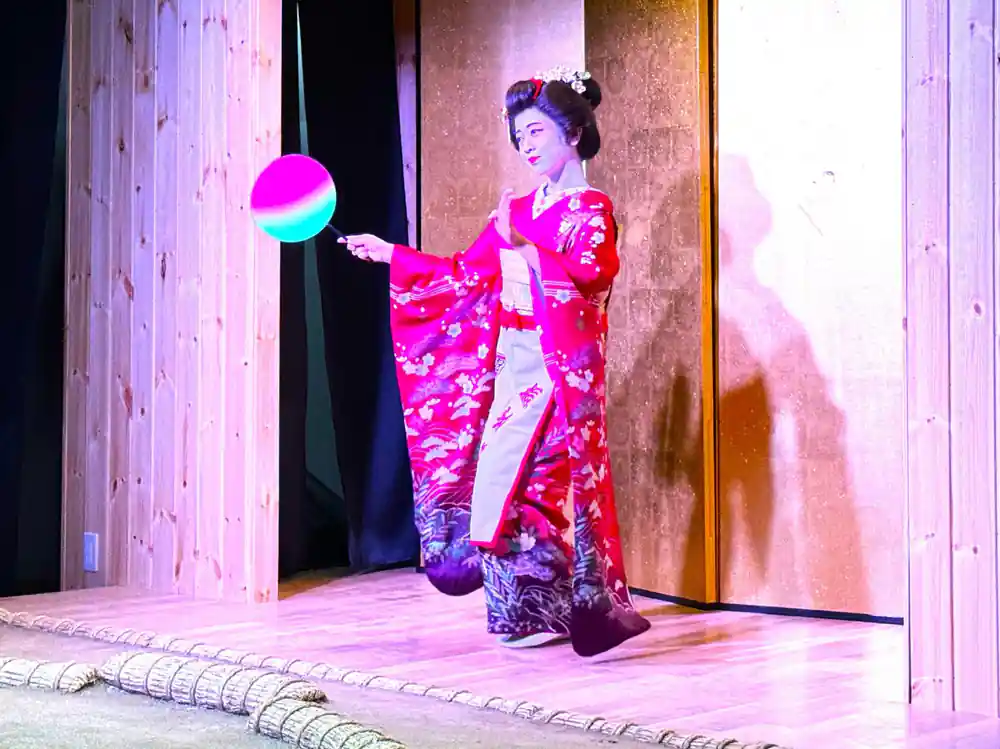
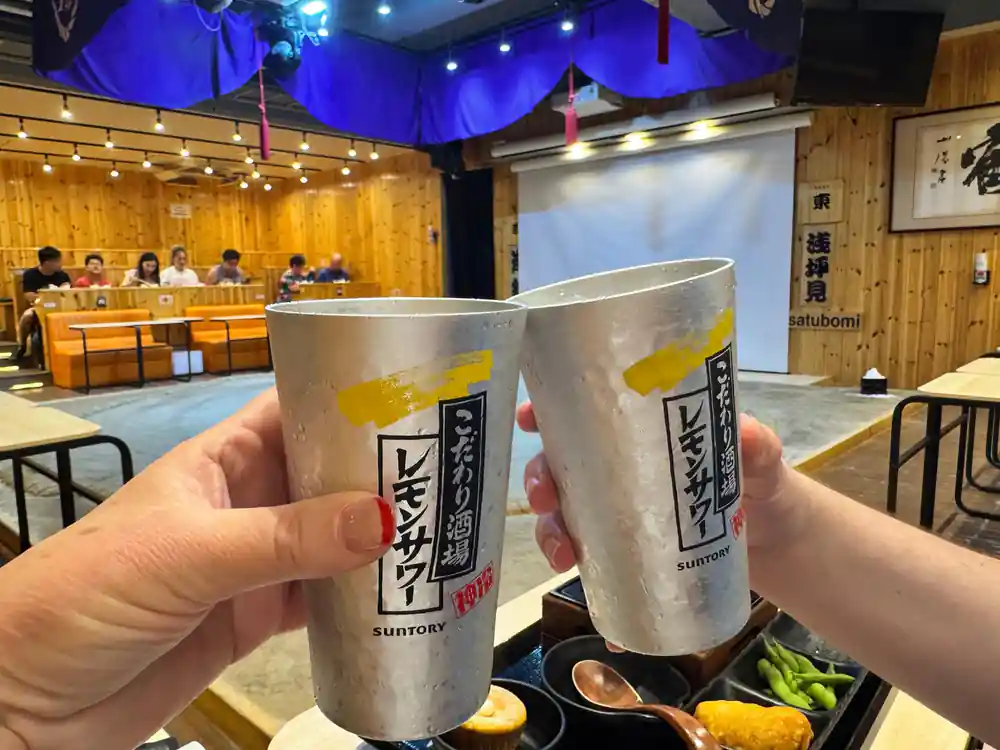
The evening brings two Japanese traditions together. Sumo gives you the ring, the ritual and the wrestlers close up. A geisha's role is to make guests feel at ease during meals and banquets through conversation, drinking games and dance performances[14]. Between the two comes chanko nabe, the chicken hot pot that sumo stables cook in one big pot for the whole table, and that is how it arrives here.
This is the show we book, and its listing is where the current start times sit: check availability to see starting times[2]. Food, photos and the pace of the evening are the parts travellers ask about most, so read the recent reviews before you settle on a date.
Morning practice visits and the early start
Morning practice, or asageiko, typically begins between 5:00 and 7:30 AM and continues for 2-4 hours, with the exact start time varying by stable and season[6]. In practice that means meeting well before sunrise, often with a short walk to the stable. Tokyo listings begin from US$90 for a professional practice with experts[5] and sit close together after that: from US$95 for a visit with an English guide[15], for a practice tour with a ring-side seat[16] and for a morning led by sumo journalists[17].
Some practice listings double as a small walking tour. One includes a stop at Takasago-beya Sumo Stable on foot[15], and another finishes near Ryogoku Edo NOREN[17]. Cancellation terms are worth a look too: the practice tours compared here offer free cancellation up to 24 hours in advance[5][16], but check the line on any listing before you pay.
If you are not a morning person, be honest about it. An evening show with a meal is the easier introduction, and you can add a practice visit on another day of the trip if the early start still appeals.
from US$102
The Sumo Entertainment Show with Chicken Hot Pot & Geisha runs 2 hours and is rated 4.79 from 8,004 reviews.[2]
Chanko nabe, the ring and the numbers behind sumo
Chanko nabe is the dish most associated with sumo, and the numbers behind the sport give a sense of the scale. The optimal weight for a modern Japanese sumo wrestler is between 400 and 600 pounds, sustained by a daily diet of 20,000 calories[18]. A study of 25 makuuchi wrestlers at the Keio University Sports Medicine Research Center found an average weight of 161.2 kg (about 355 lbs) and an average height of 186.3 cm[19].
The ring is smaller than most first-time visitors expect: the sumo dohyo has a diameter of 14.93 feet (4.55 m)[20]. Professional sumo is divided into six divisions, with Makuuchi as the top division containing 42 wrestlers[21], and the sport counts 82 kimarite, or match winning techniques, and 5 non-techniques or ways to lose, all defined by the Japan Sumo Association[22]. Historians agree that sumo's origins date back 2,000 years, but it did not really flourish as a spectator sport until the early 1600s[23].
Ryogoku, the Kokugikan and tournament days
Ryogoku is the heart of the sport in Tokyo, and the Kokugikan sits at the centre of it. The arena in Sumida City has a spectator capacity of up to 10,000[12], and the surrounding streets fill with fans on tournament days. Across Japan there are 47 stables training nearly 700 wrestlers[24], and many morning practice tours are built around a visit to one of those working stables.
Tournament viewing tours sell a longer day rather than a single bout, but they are listed only around each tournament, and the ones for past dates have closed. At the arena itself, a wheelchair seat costs 8,000 yen and is for two people, a wheelchair user and one accompanying person.[4] If you want real matches rather than a staged show, check the tournament calendar first.
Booking, cancellation and how to plan your date
Most Tokyo sumo listings use the same two conveniences: reserve now and pay later, and free cancellation up to 24 hours in advance for a full refund[2][10]. Not all of them do. A sumo show with bento in Osaka is listed as non-refundable[25], and a Ginza sumo show with a kaiseki dinner is also non-refundable[7]. Open the policy section before you pay, not after.
Match the format to your energy and your hours. A two-hour show with a hot pot meal fits neatly into an evening; a morning practice visit takes your early hours; a tournament day takes half a day or more. If your dates are firm, book the show you want without waiting. If your plans may still move, listings with free cancellation up to 24 hours in advance[2] leave you room to change your mind.
Tokyo sumo ticket from prices
What a Tokyo sumo ticket costs
From prices in US dollars.[2][8][9][10][11]
When Tokyo hosts the Grand Tournaments
How to buy your ticket
Pick your format
A show, a practice visit or a tournament day. Each has its own price band, running time and cancellation rule.
Check the running time
The show we book runs 2 hours[2], and a practice tour with a ring-side seat runs 2 hours[16].
Read what is included
Meal, photo time, guide and seat class all sit inside the price. Compare listings on content, not only on the headline figure.
Look at the cancellation rule
The show we book offers free cancellation up to 24 hours in advance[2]. So does the practice tour with a ring-side seat[16].
Book and keep the confirmation
Reserve now and pay later is common on these listings[2]. Save the confirmation offline before you travel.
See the Sumo Entertainment Show with Chicken Hot Pot & Geisha
from US$102Reserve now & pay later