Worth remembering
- Practice typically begins between 5:00 and 7:30 AM and continues for 2-4 hours, and the exact start time varies by stable and season.[1]
- A 2 hour practice tour with a ring-side seat is from US$95, and a 3 hour session explained by experts is from US$90.[2][3]
- Tokyo stables cluster around Ryogoku, and the Ryogoku Kokugikan arena in Sumida City, Tokyo has a spectator capacity of up to 10,000.[4]
- The sumo entertainment show with chicken hot pot and geisha booked from this site runs 2 hours, from US$102, rated 4.79 from 8,004 reviews.[5]
- Free cancellation up to 24 hours in advance is common on these listings, groups are small, and seats at the edge of a practice room are limited.[2]
- Top choice Hot Pot & Geisha Sumo Show from US$102 Duration2 hours[5]Rating4.79 from 8,004 reviews[5]Free cancellationUp to 24 hours in advance[5]PaymentReserve now & pay later[5] Check availability
- Luxury Sumo Show & Cuisine from US$102 Duration2 hours[6]Rating4.72 from 920 reviews[6]Free cancellationUp to 24 hours in advance[6]PaymentReserve now & pay later[6] See this tour
- Family Sumo Workshop from US$62 Duration2 hours[7]Rating4.90 from 430 reviews[7]Free cancellationUp to 24 hours in advance[7]PaymentReserve now & pay later[7] See this tour
Morning practice typically begins between 5:00-7:30 AM and continues for 2-4 hours . The exact start time varies by stable and season.
Morning practice or an evening sumo show?
Read before booking
On the day
- Small group available on the sumo show booked from this site[5]
- Wheelchair accessible listings include the family workshop[7] and the booked show[5]
- Mornings are cool and you will sit still, so bring a light layer and water
- Training rooms warm up fast: wear soft, quiet clothing and socks you can slip off
What a Tokyo sumo morning practice tour is
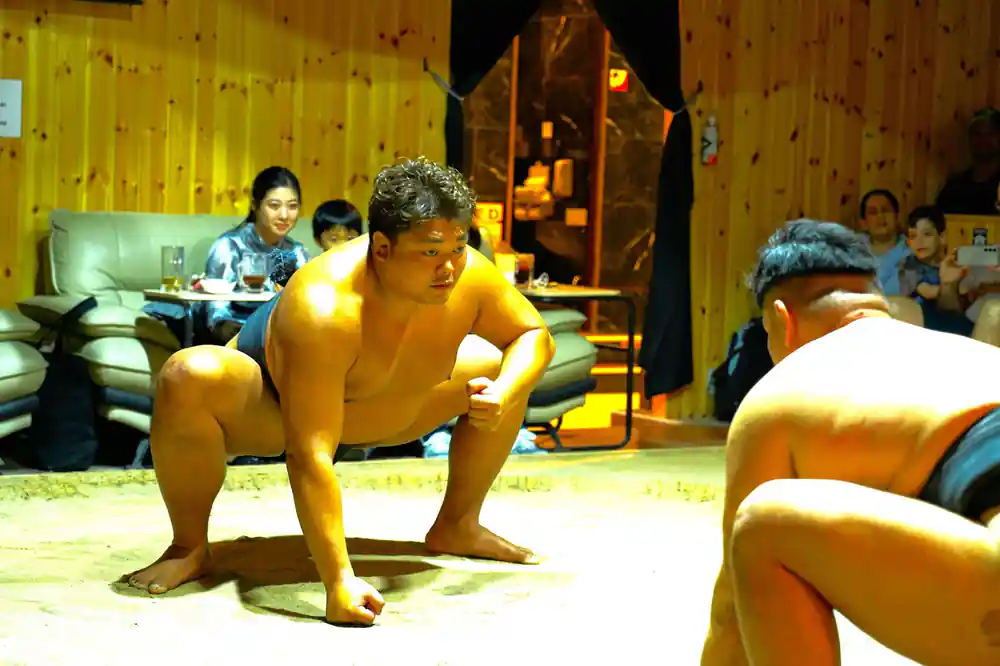
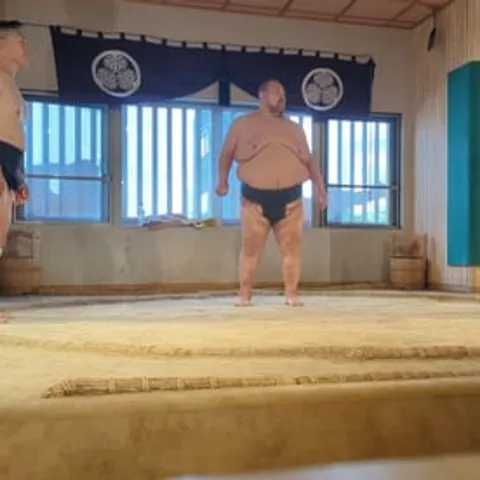
Sumo training, called asageiko, happens in the early morning, long before any arena fills. You sit at the edge of the practice room and watch rikishi work through the drills they repeat every single day: stretching, the stamping shiko, strikes against the teppo pole, then bout after bout on the clay. There is no commentary, no spotlight and no script. What you hear is breathing, bare feet, and the short sharp collisions of two heavy bodies. Morning practice typically begins between 5:00 and 7:30 AM and continues for 2-4 hours, and the exact start time varies by stable and season.[1] That is why a morning practice tour usually means an alarm well before sunrise and a meeting point while the city is still quiet.
The stables are working gyms rather than attractions. There are 47 stables training nearly 700 wrestlers under the Nihon Sumō Kyōkai, the association that governs the sport.[8] Wrestlers live and train in these buildings, and the morning session sits at the centre of their day. A guide quietly explains what you are seeing: the rituals before a bout, the crouch and the long stare, the reason a wrestler resets instead of charging. Professional sumo has six divisions, and the top one, Makuuchi, contains 42 wrestlers,[9] so the men in front of you may sit anywhere on that ladder, from brand new recruits to names you have seen on television.
Morning training tours and evening sumo shows
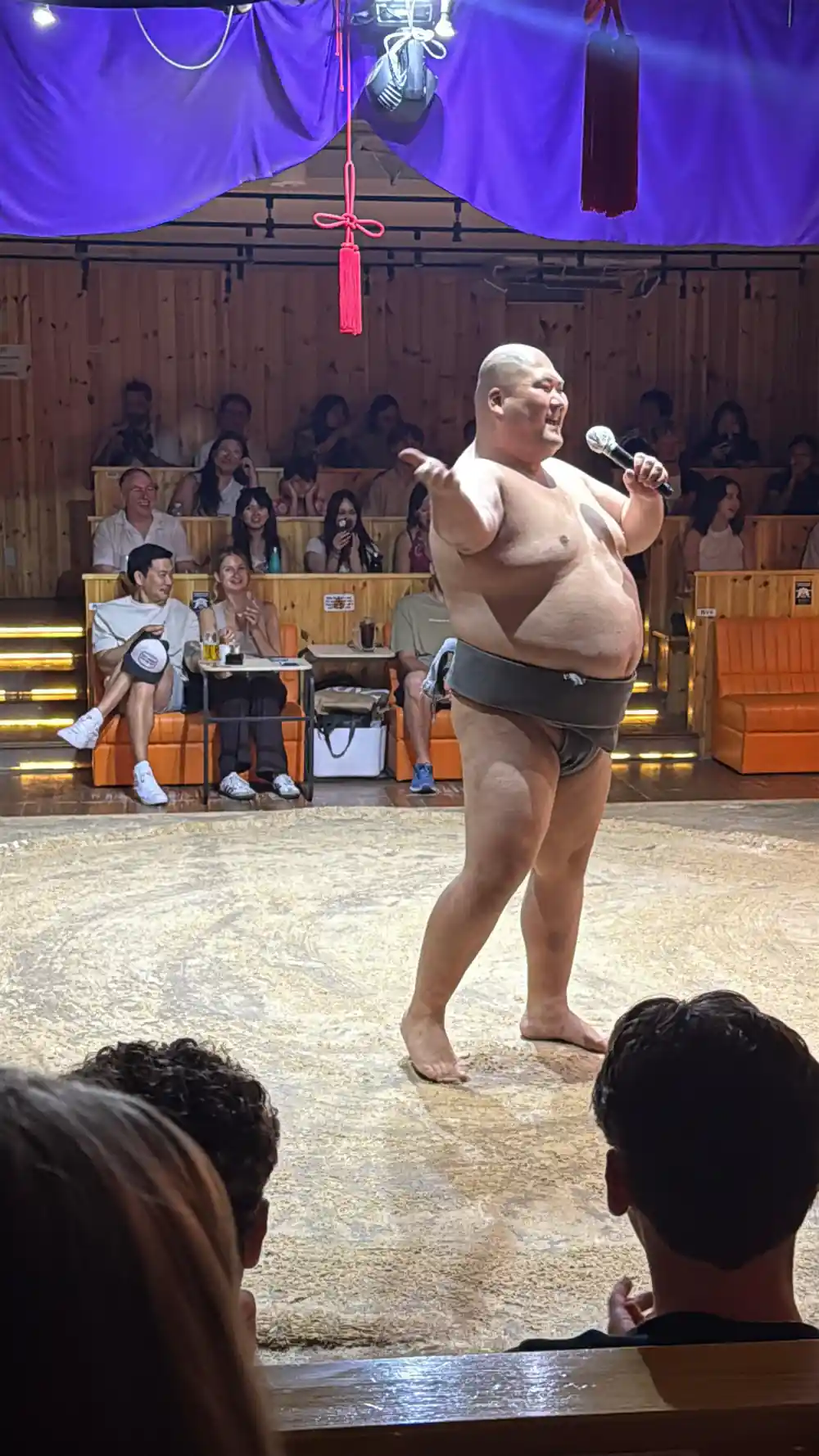
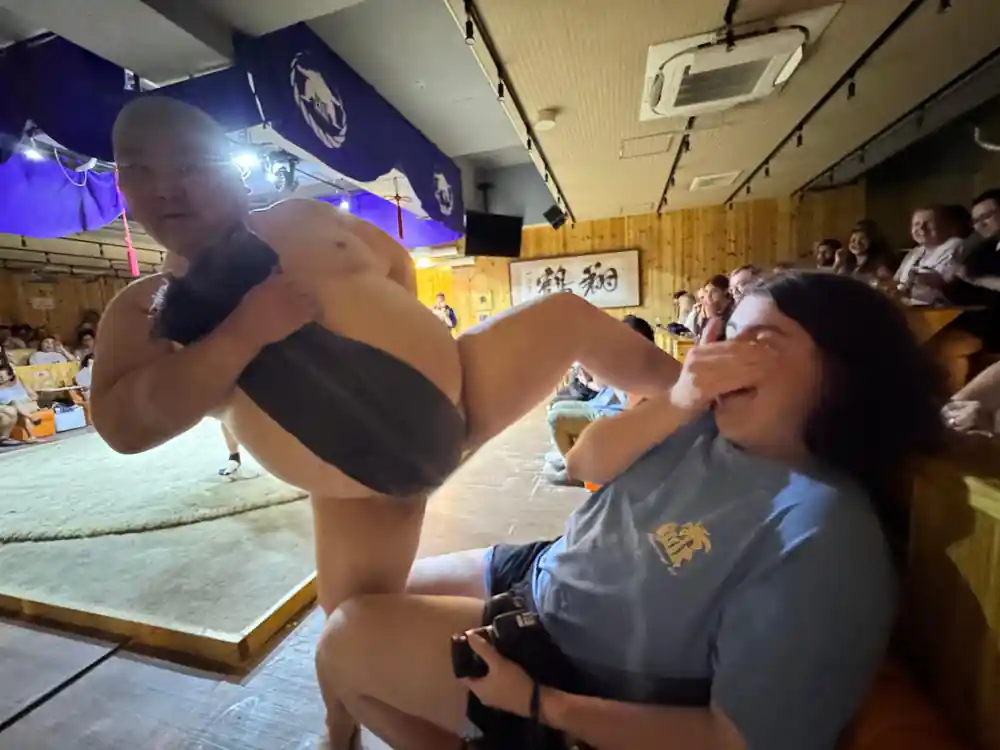
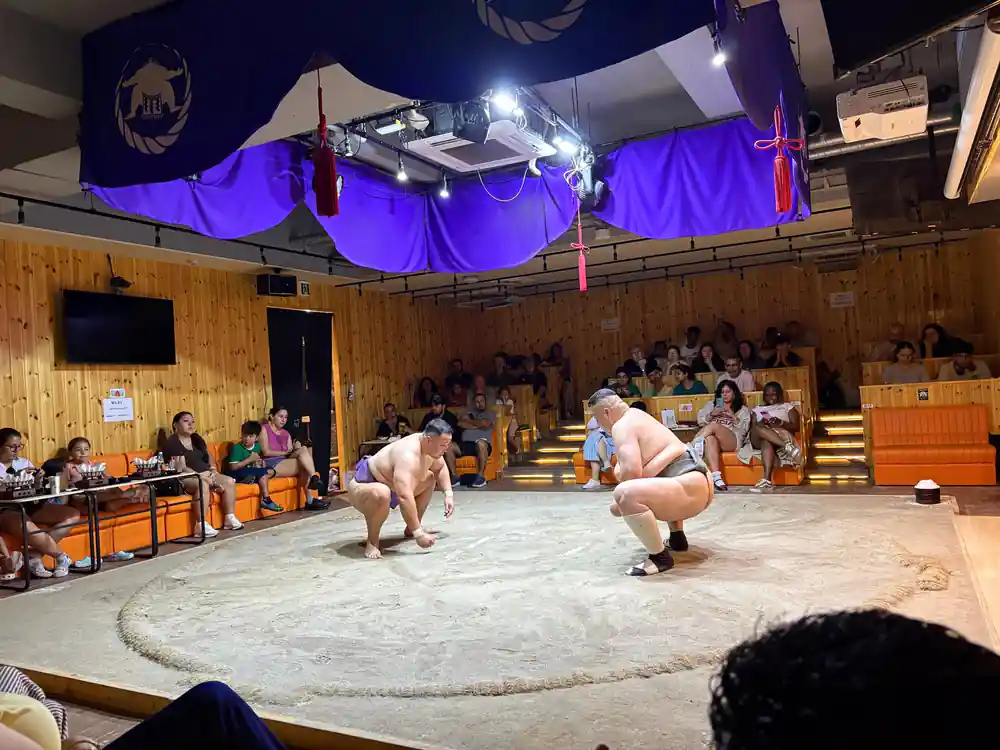
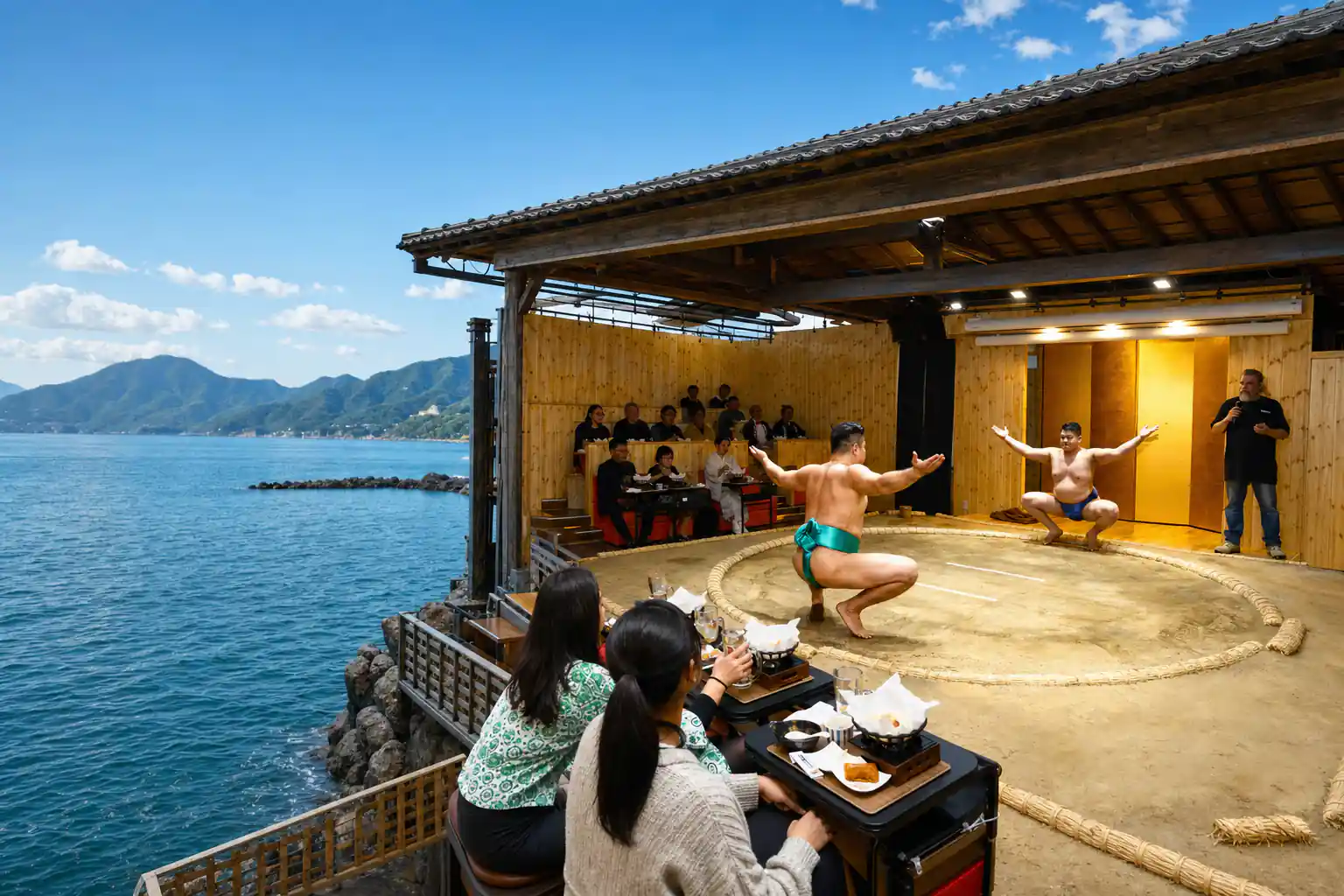
It helps to separate two very different experiences. A morning practice visit is about watching the sport being made, with a guide who explains the ranks and the daily routine while you sit still and take it in. An evening sumo show is built for entertainment: retired wrestlers demonstrate techniques, the audience is often invited to step into the ring, and dinner is served alongside. The two do not overlap, and plenty of travellers book an evening show and keep a separate morning free for a stable visit.
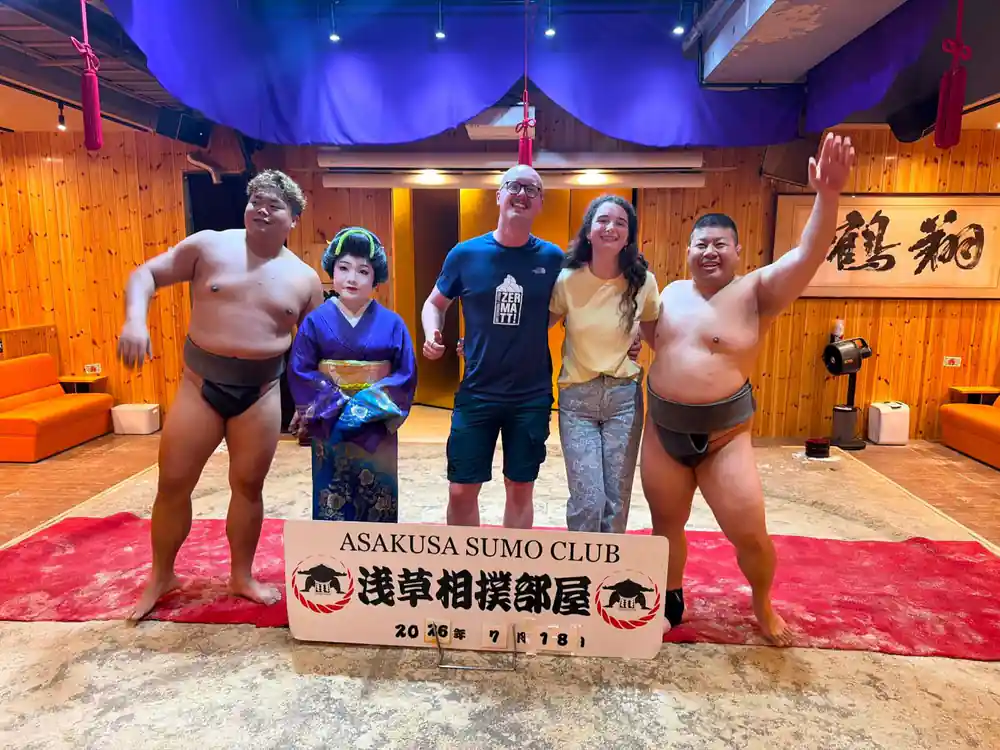
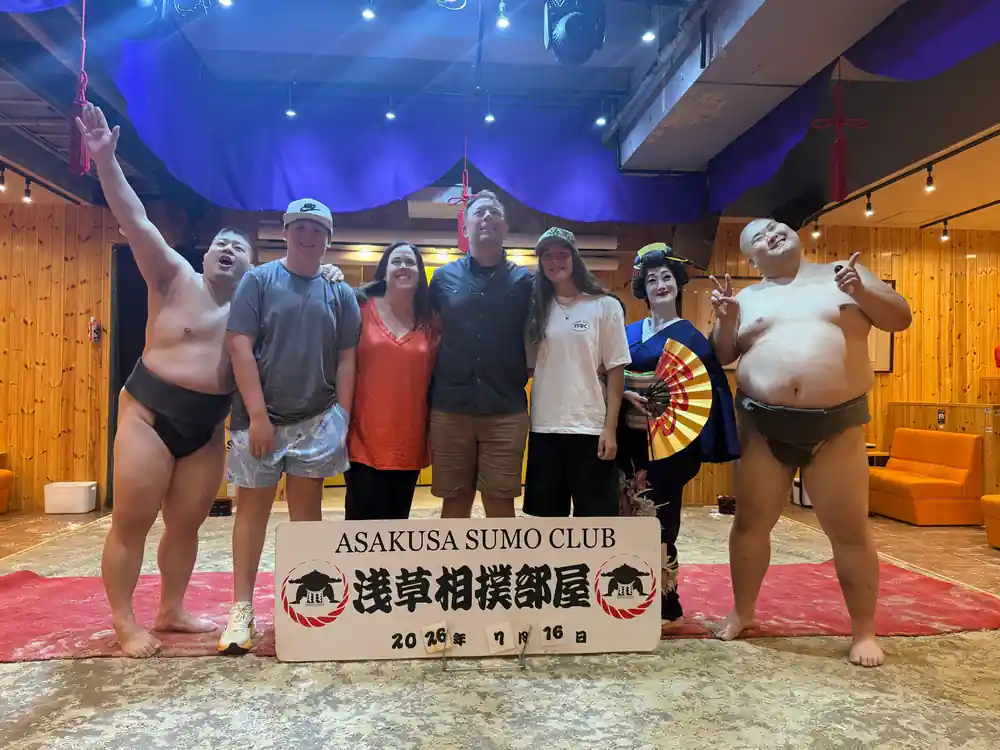
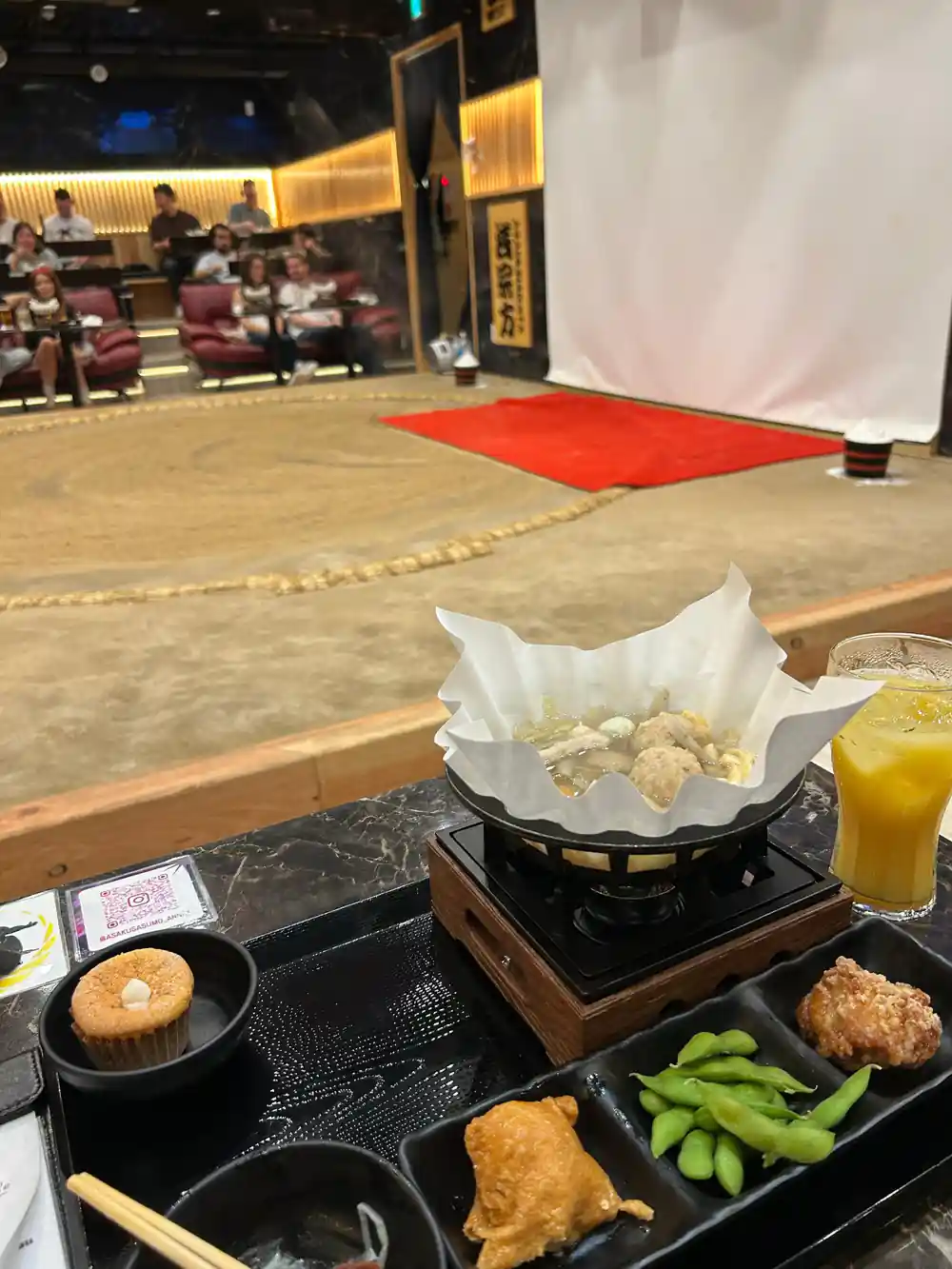
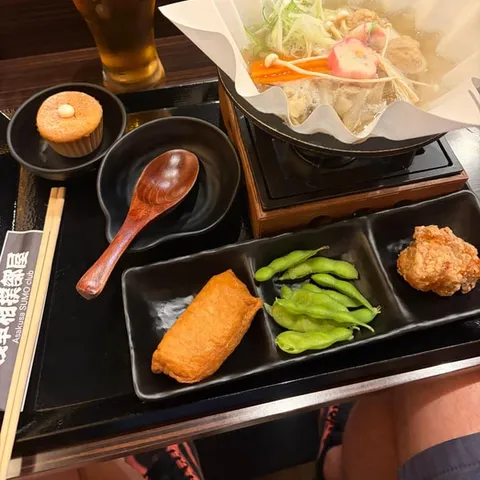
The tour booked from this site is the Tokyo sumo entertainment show with chicken hot pot and geisha. It runs 2 hours, costs from US$102, and is rated 4.79 from 8,004 reviews.[5] Geisha work to put guests at ease through conversation, drinking games and dance performances,[10] so the evening blends the ring with a banquet mood. The hot pot itself, chanko nabe, is the dish sumo stables cook for their own, and the scale of a wrestler's diet is hard to picture: one account puts a modern Japanese sumo wrestler's optimal weight at between 400 and 600 pounds, sustained by a daily diet of 20,000 calories.[11]
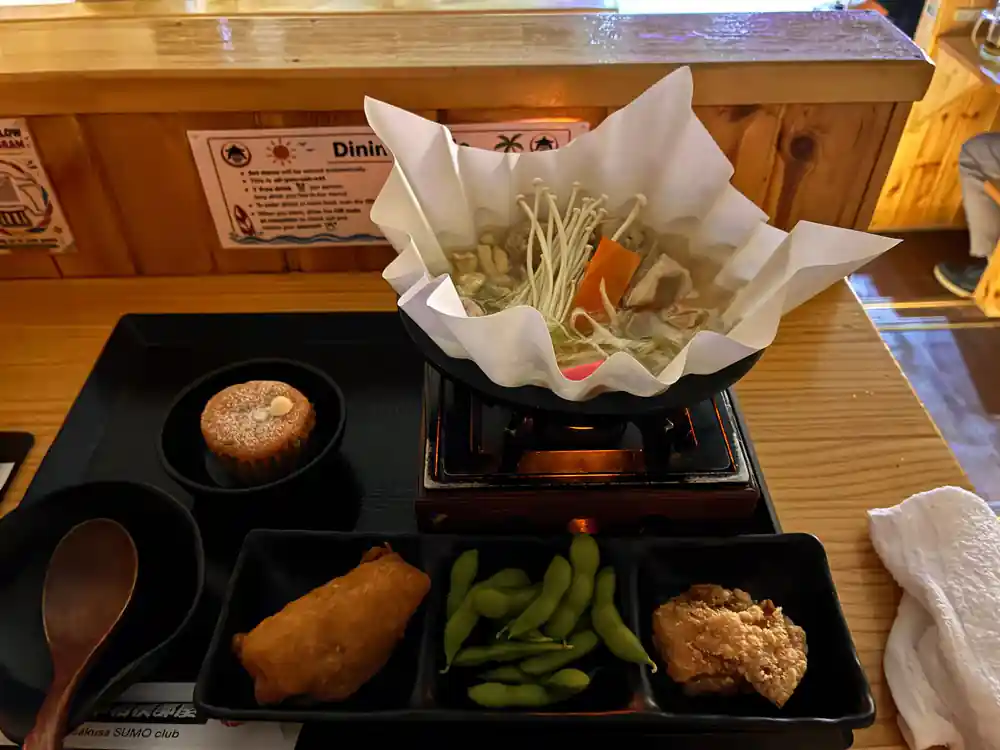
A quiet seat at the edge of the clay, hours before the first spectators arrive.
Where morning practice happens in Tokyo
Most Tokyo stables sit in and around Ryogoku, the district on the east bank of the Sumida River that grew up around the sport. The Ryogoku Kokugikan arena in Sumida City, Tokyo holds up to 10,000 spectators.[4] On a tournament day the streets around it fill with fans, banners and food stalls. On a quiet practice morning the same streets are almost empty, and you can walk from the station in a few minutes.
Practice tours meet near the stables rather than at the arena, and the meeting point changes with the schedule. Some listings name the stable, such as Takasago-beya Sumo Stable,[12] while others include a short transfer and a stop at Ryōgoku Edo NOREN before the visit.[13] Either way, expect a walk through a residential neighbourhood, a wait outside while the group is checked in, and then a seat on a cushion at the edge of the training room.
How to choose a Tokyo sumo training tour
Prices for morning practice vary with length, group size and the extras a host adds. A 2 hour practice tour with a ring-side seat and photoshoot is from US$95, and a 2 hour visit with an English guide is also from US$95.[2][12] Longer options include a 3 hour morning practice tour with journalists, from US$95,[13] and a 3 hour professional practice explained by experts, from US$90.[3] If you would rather end the day with a meal, the evening sumo show with chicken hot pot and geisha is from US$102 and has a small group option.[5]
Two details decide whether a morning works for you. The first is timing: sessions start early and the exact hour shifts with the stable and the season,[1] so check the meeting time before you commit to a train or a flight that morning. The second is flexibility. Free cancellation up to 24 hours in advance is common on these listings,[2][3] but read the line on each one before you pay. Groups are small and seats at the edge of a practice room are limited, so it pays to book as soon as your dates are firm.
from US$102
The tour booked from this site runs 2 hours and is rated 4.79 from 8,004 reviews.[5]
How to behave at a sumo practice
Practice rooms are places of work, and guests are expected to blend into the background. Wear soft, clean clothes and socks you do not mind taking off, since shoes come off at the entrance. Keep your phone on silent, sit still, and keep your voice low, because a wrestler in the middle of a bout needs quiet more than applause. If photography is allowed at all, your guide will say when, and it is polite to ask before you turn a camera on anyone.
Expect long quiet stretches broken by bursts of action. Sumo bouts last 20-30 seconds,[14] so much of a session is warm up, stretching and short explosive clashes, with the wrestlers resetting in between. That rhythm surprises people who know the sport only from television highlights. Bring water, dress in layers, and if you are sitting on the floor, shift your weight when you need to instead of fidgeting.
What you are watching: ring, body, technique
The sumo ring, the dohyo, measures 14.93 feet (4.55 m) across.[15] That is a small stage for two heavy men moving at speed, and it explains why so many bouts end with a wrestler stepping or being forced over the edge. There are 82 kimarite, or match winning techniques, and 5 non-techniques or ways to lose, all defined by the Japan Sumo Association.[16] A guide will usually walk you through a handful of the common ones so you can spot a throw, a push out or a slap down as it happens.
The bodies are part of the spectacle. Research from the Keio University Sports Medicine Research Center found that 25 makuuchi wrestlers averaged 161.2 kg in weight and 186.3 cm in height.[17] Watching men of that size absorb a fall on clay, then get up and bow to each other, is the thing most visitors remember. Historians agree that sumo's origins date back 2,000 years, and that it did not really flourish as a spectator sport until the early 1600s.[18]
Fitting sumo into your Tokyo trip
Six Grand Sumo Tournaments are held each year, in Tokyo in January, May and September, in Osaka in March, in Nagoya in July and in Fukuoka in November.[19] If your dates land in a tournament month, a day at the Ryogoku Kokugikan is the obvious headline, with the ring ceremonies, the rankings and the roar of a top division match day. Outside those months, a morning practice tour is the closest you will get to the sport, and it often feels more intimate than a stadium seat.
Ryogoku rewards a slow half day. Pair the morning visit with the Sumida riverside, the small streets of shops and restaurants near the arena, and a bowl of chanko nabe for lunch. If you want a second sumo fix, add the entertainment show with chicken hot pot and geisha, which runs 2 hours, is rated 4.79 from 8,004 reviews, is from US$102, and offers free cancellation up to 24 hours in advance.[5]
Reviews on Tokyo sumo listings
Review counts as listed on GetYourGuide for each of these Tokyo sumo tours.[5][7][20][21]
From-prices for Tokyo sumo tours, in US dollars
Amounts are US dollar from-prices for these GetYourGuide listings.[2][3][5][13]
When to plan around the sumo calendar
Plan your morning practice
Choose morning or evening
A stable visit is an early, quiet watch with almost no talking. A sumo show is food, laughter and demonstration. Many travellers do both.
Lock in your date
Morning groups are small and practice schedules shift with the stable, so book your date before the rest of your Tokyo plan.
Confirm the meeting point
Check the station and the meeting time the day before, and leave a buffer for Tokyo's morning trains.
Dress for a floor sit
Loose clothes, socks, a light layer and water. Shoes come off, and you may sit on the floor for a long stretch.
Watch first, eat later
If you book the evening show, the chicken hot pot, geisha performance and photos come after the wrestling, so keep your appetite.
Add the sumo show with chicken hot pot and geisha to your Tokyo trip
from US$102Reserve now & pay later